The Invisible French Mani Is the Quiet Luxury Trend You'll Want to Try
Follow The Pink Issue on Google.
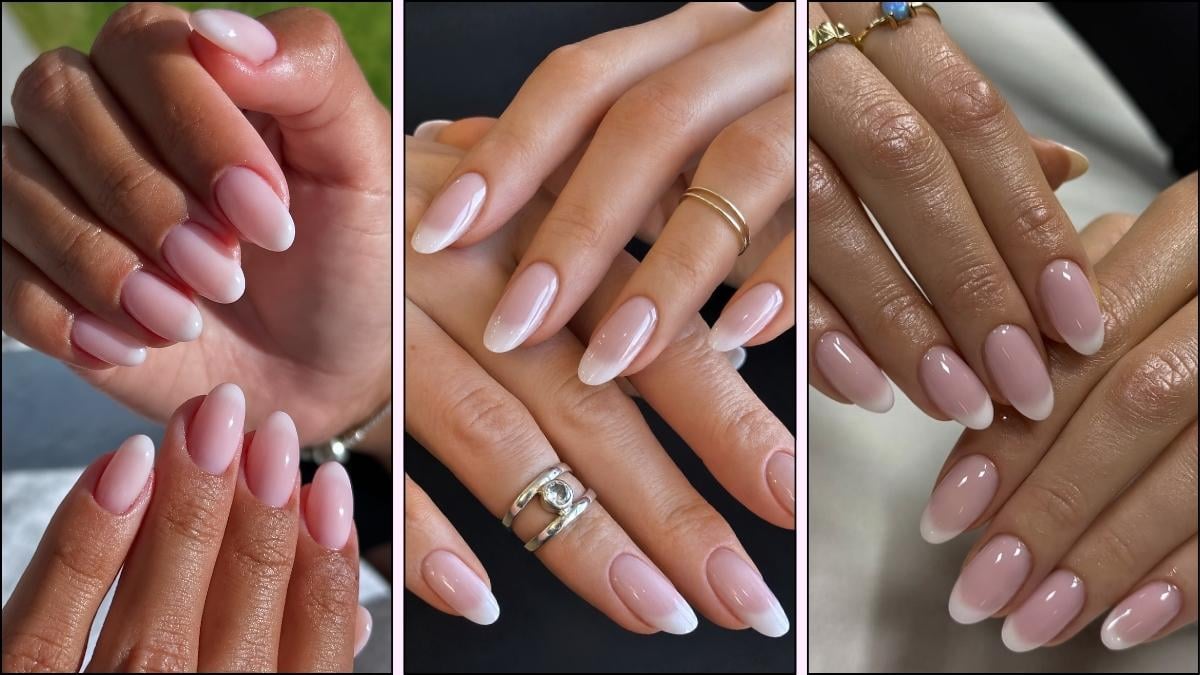
Scrolling NailTok and thought half your favorite artists were just posting sheer minimalist nails? Surprise - they weren't. That's the invisible or hidden French, the sleeper-hit manicure currently rewriting what "your nails but better" actually means.
What the invisible French manicure actually is
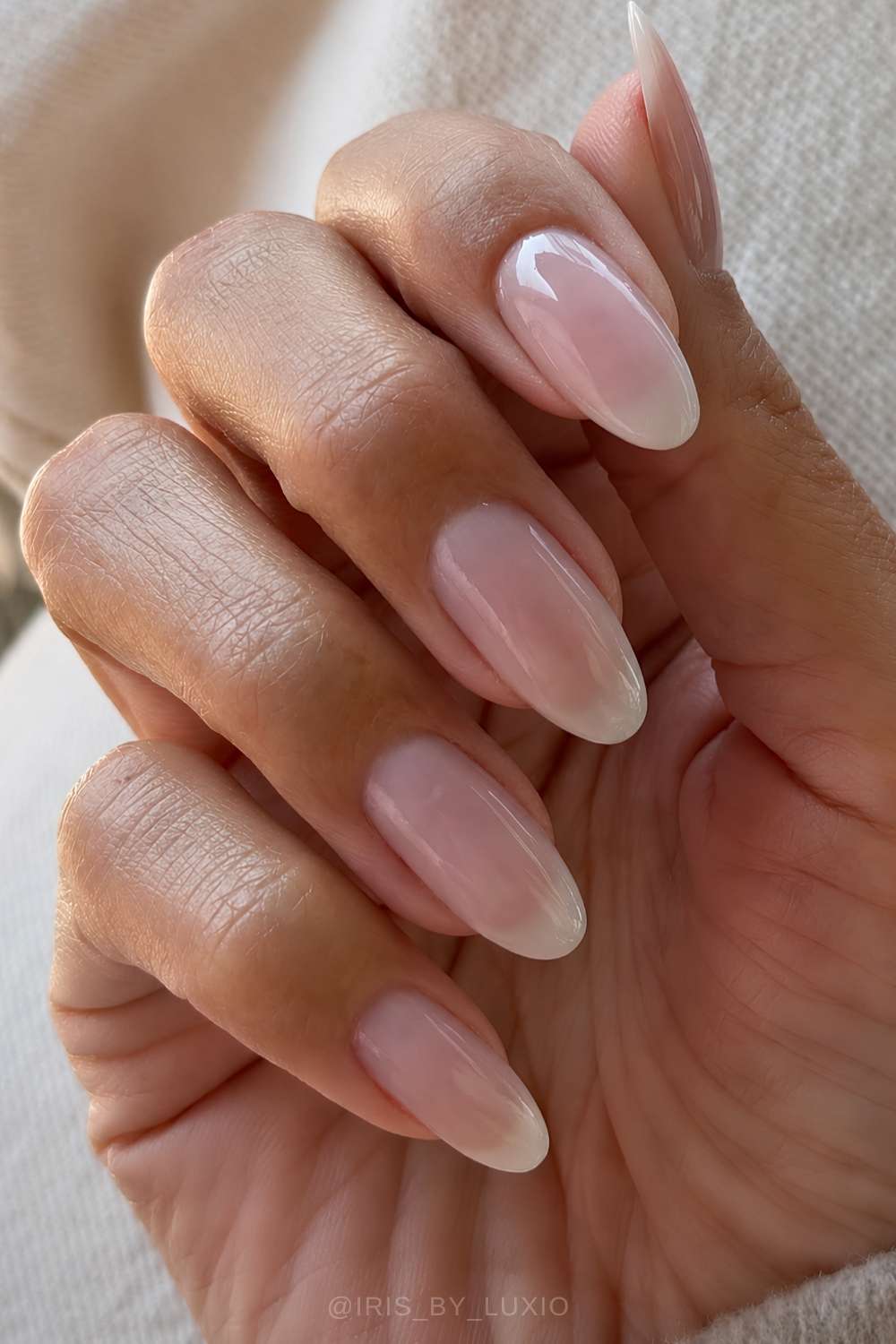
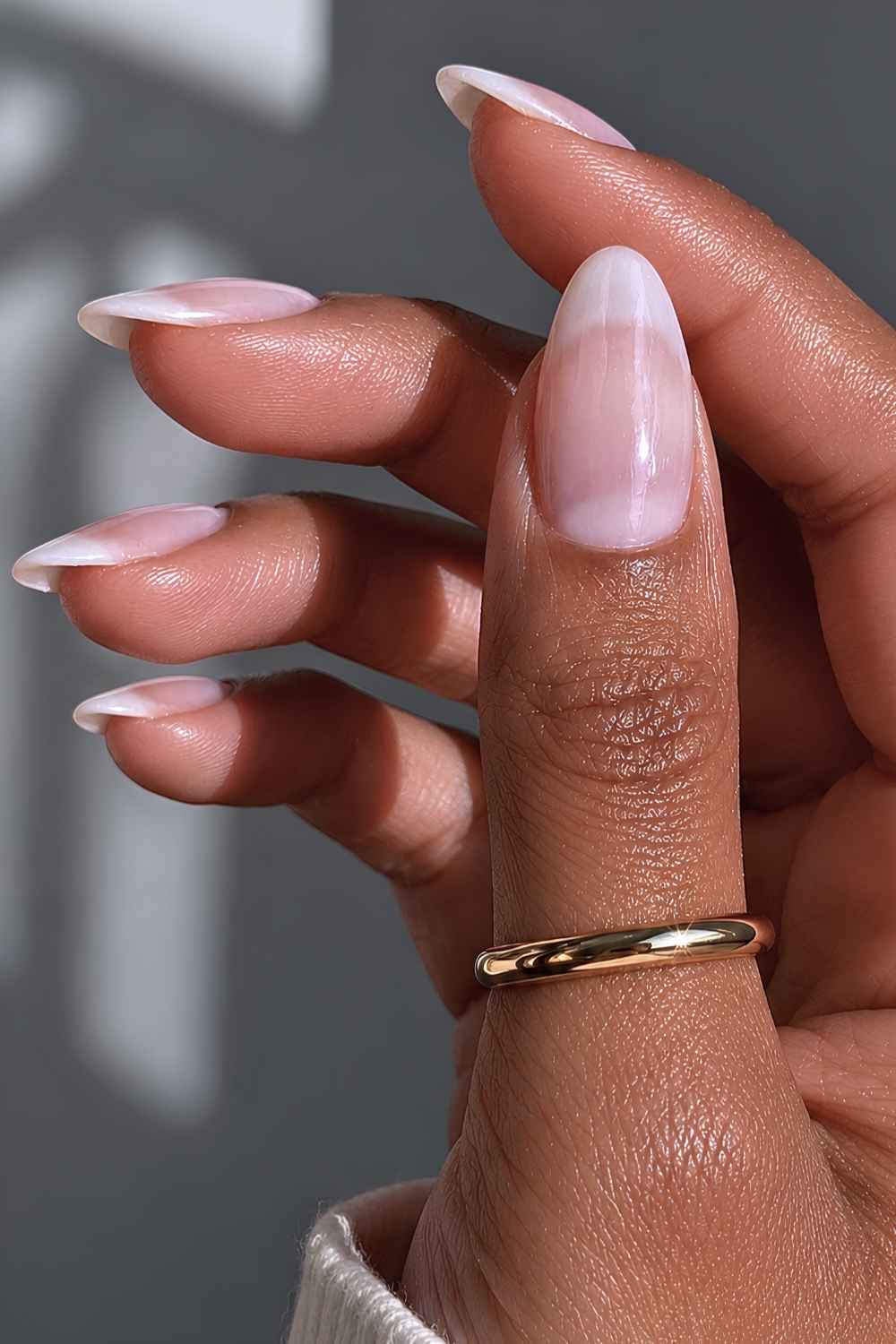
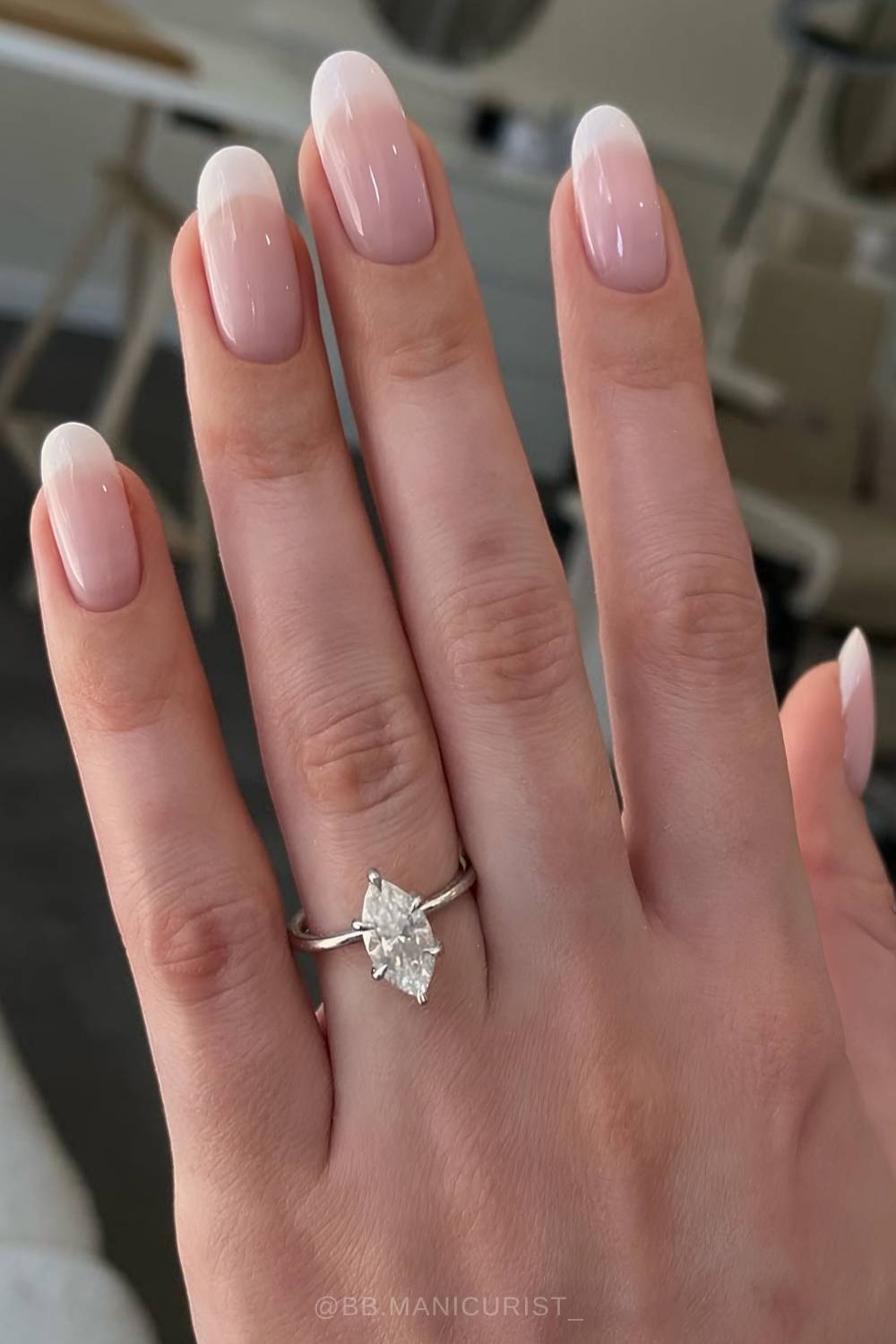
Invisible French is the classic French stripped of its loudest signal. Instead of an opaque white tip on a pink-ish base, you get a sheer, almost imperceptible brightening at the free edge - the optical effect of a freshly buffed natural nail dialed up to eleven.
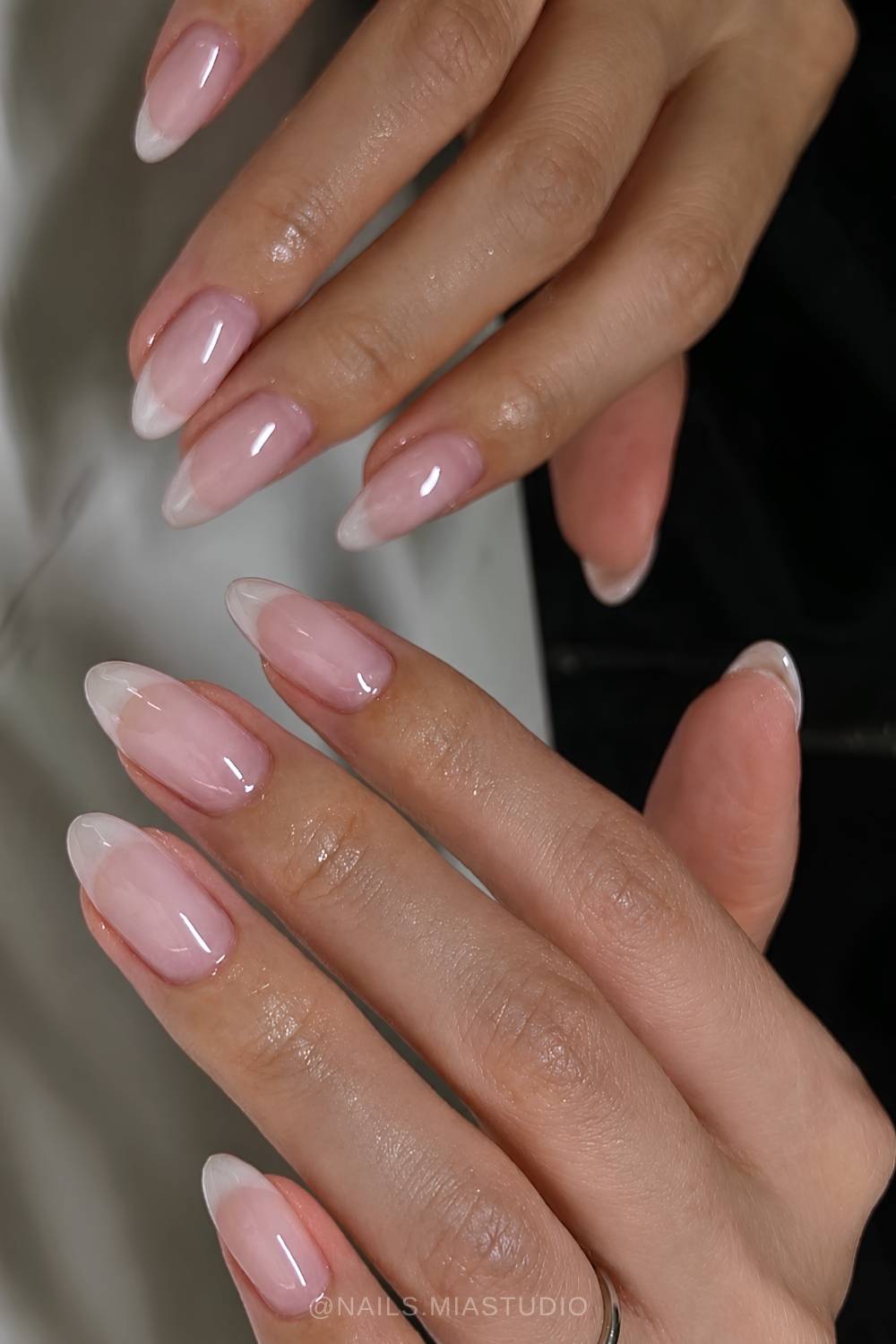
Celeb nail artist Jin Soon Choi - the JINSoon founder who did the viral look on Zoë Kravitz for Paris Fashion Week - frames it as the natural evolution of soap nails, only with the tip doing a little extra work.
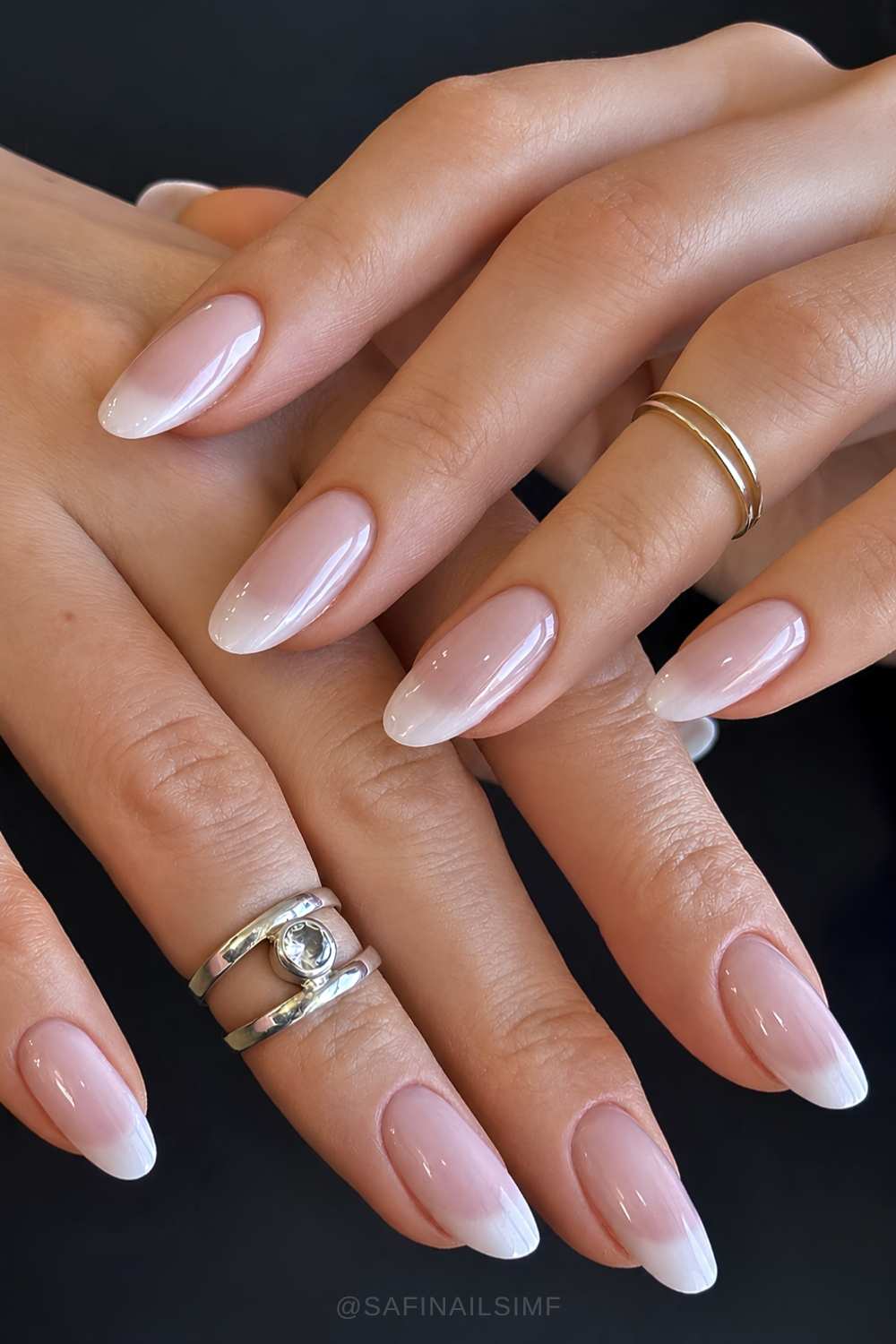
It locked in red carpet status when Sinners star Li Jun Li wore an invisible French to the 2026 Oscars, courtesy of celeb manicurist Kim Truong - the same hands behind Kim K's Vogue China cover. The internet noticed. You should too.
How it's done - and how to make it yours
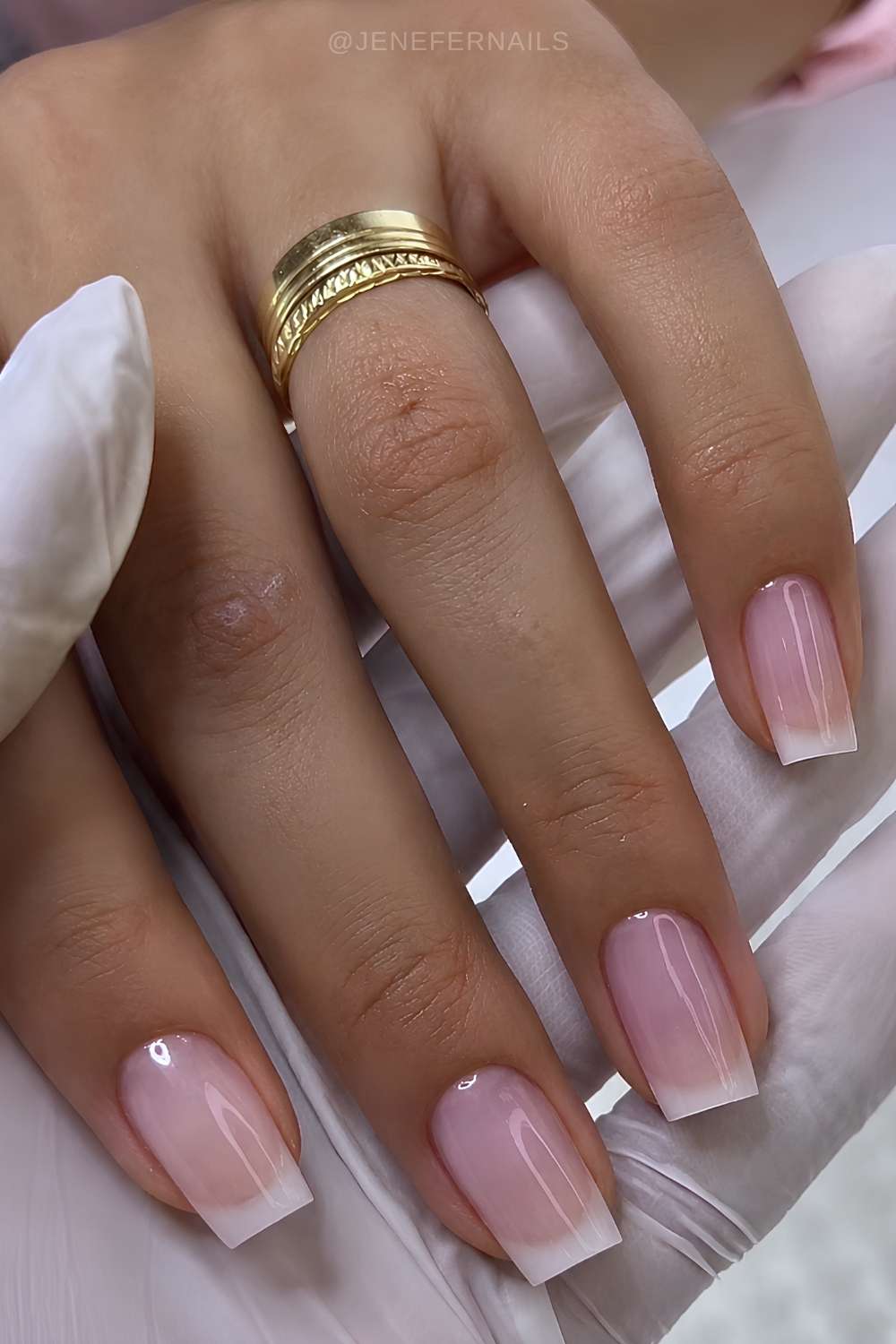
Two execution methods are running the trend, and both live or die on precision.
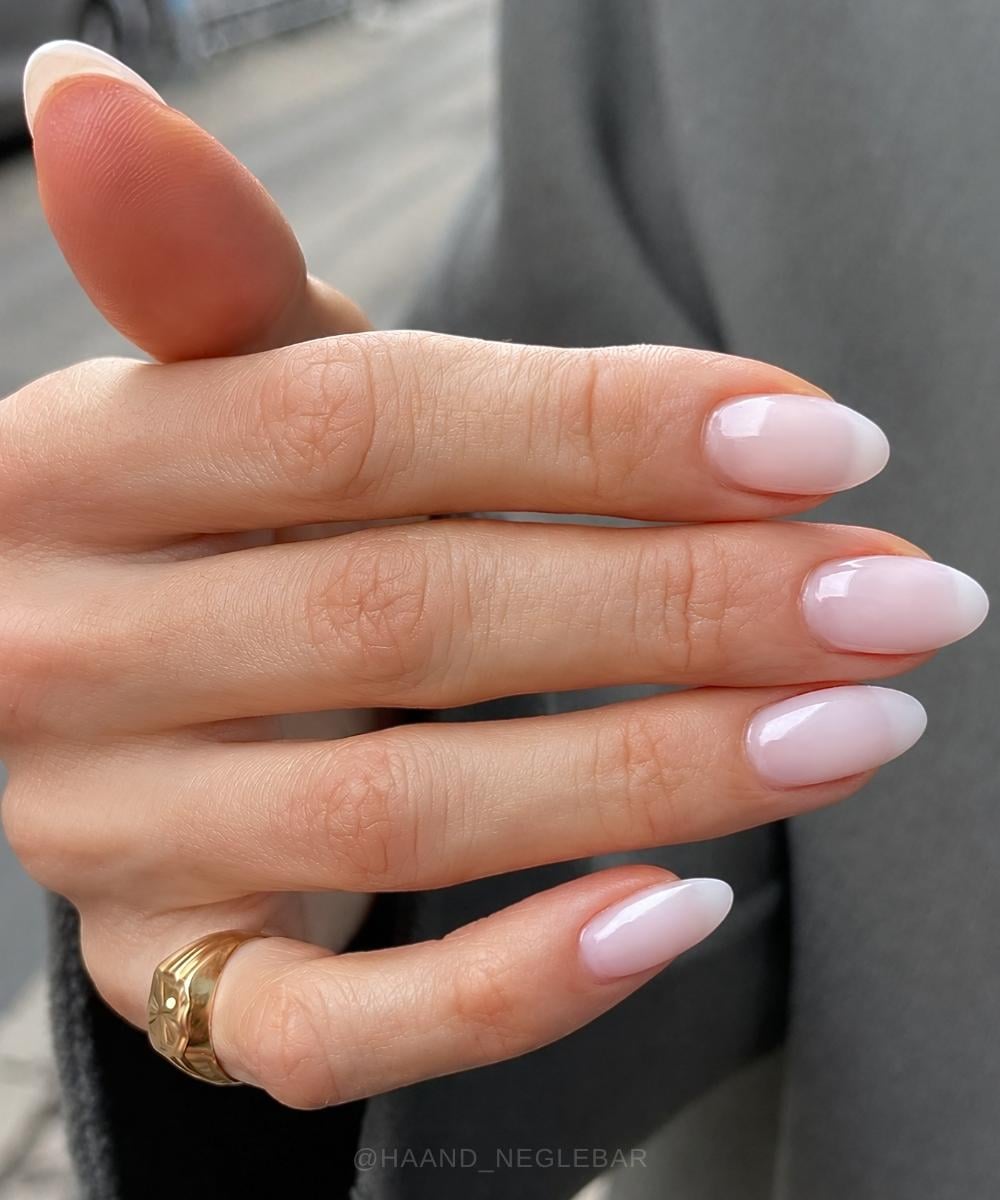
The sheer-on-sheer is the Jin Soon signature: a transparent base, then a feather-light pass of milky white (JINSoon Dew is the cult pick) brushed along the natural curve of the tip. No defined smile line, no hard edge, sealed under a glass-grade top coat.
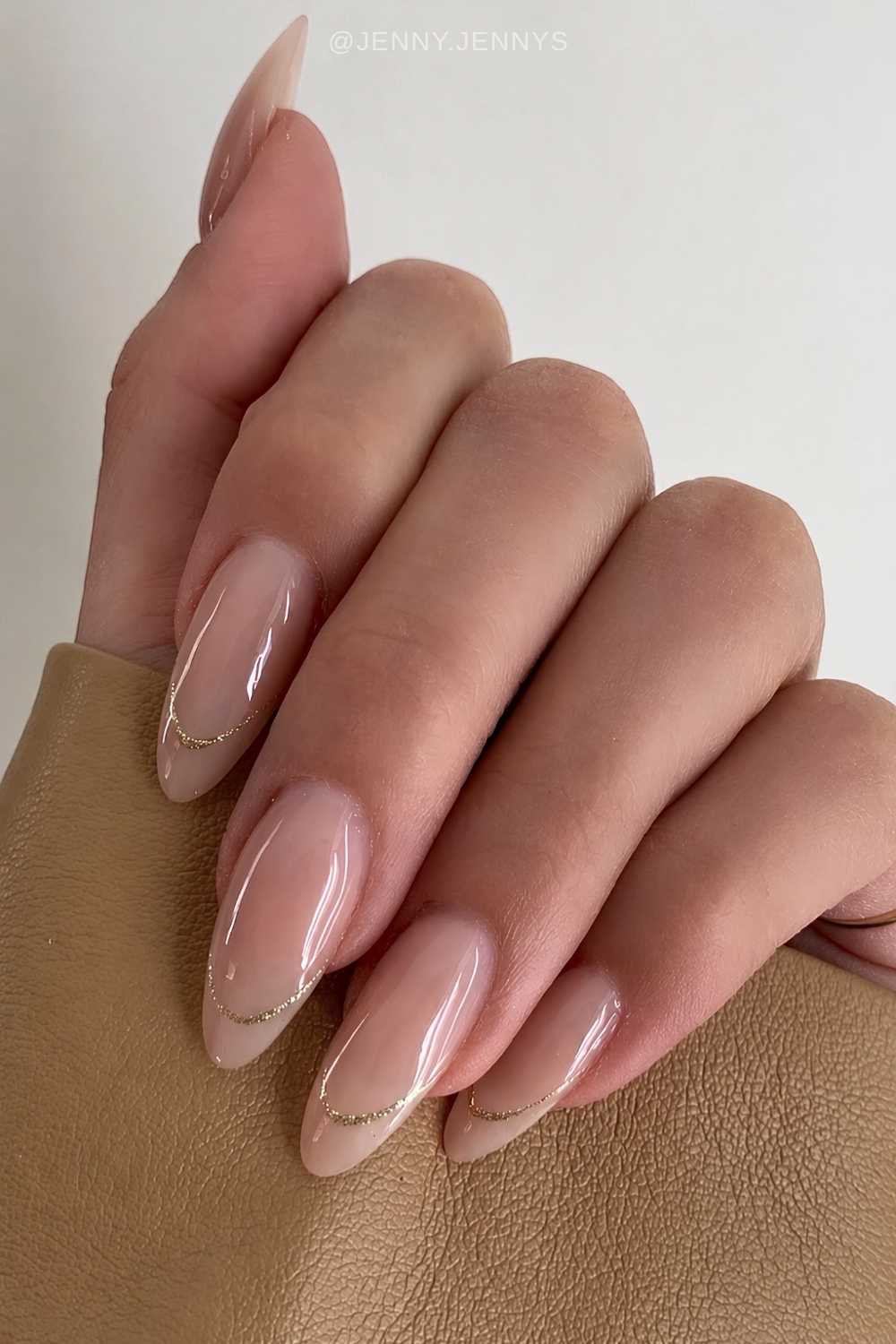
The negative-space outline goes the other direction - it skips the milky wash and traces a hair-thin line exactly where a smile line would normally sit, leaving the tip itself neutral. A pencil sketch of a French instead of a painted one.
Before either method touches the nail, prep does most of the heavy lifting. Shape, buff, cuticle oil, smooth base - the whole ritual. There's no white stripe to hide behind here, which means a ragged cuticle or uneven free edge will read louder than any polish ever could. Your natural nail is the manicure.
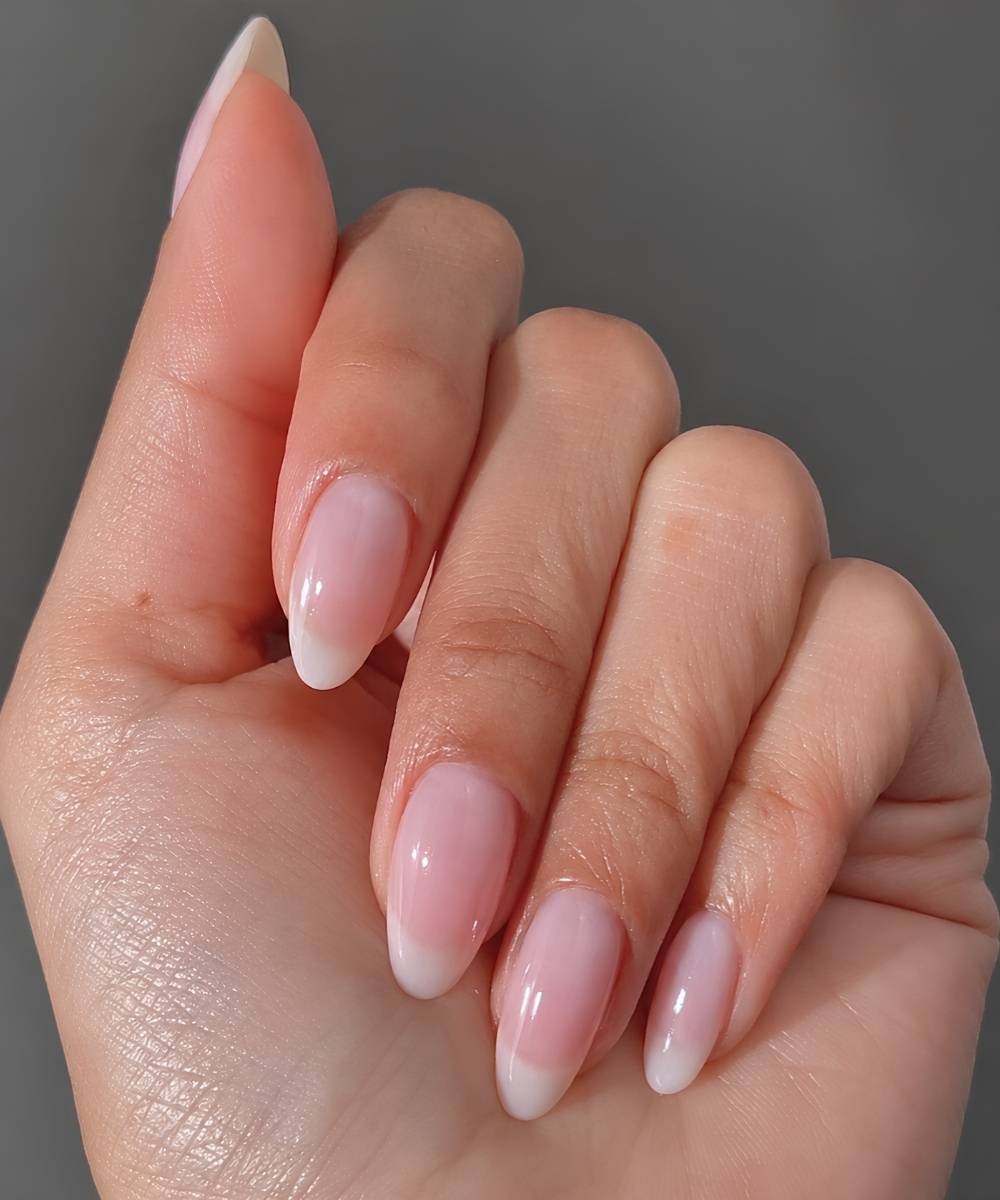
From there, the invisible French bends to whatever your hands are doing. Almond and soft tapered shapes work hardest because they push the optical lengthening, but the look is genuinely shape-agnostic - square and squoval just give it a sharper, more architectural edge.
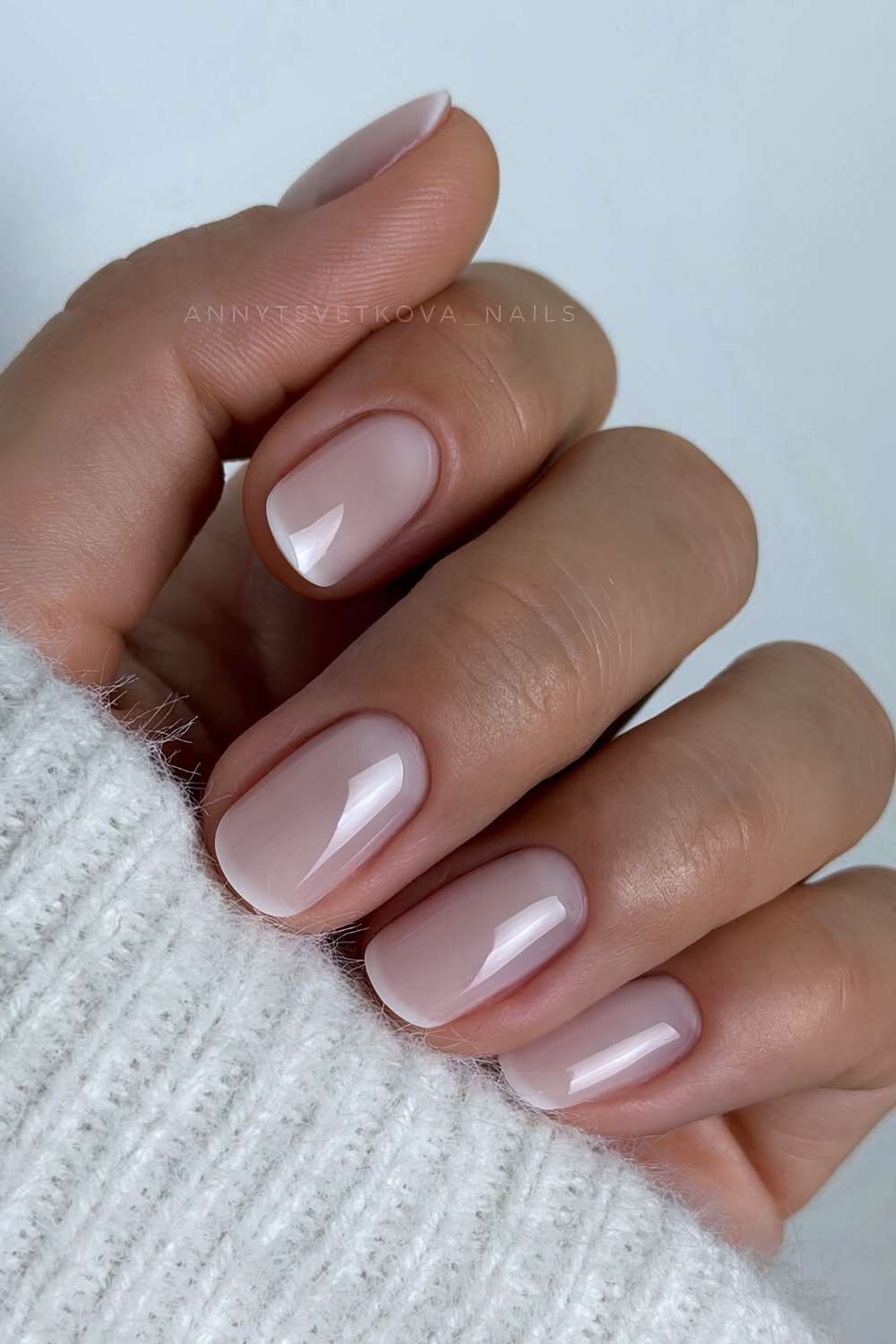
Short nails? Go micro-line: the negative-space outline taken to its thinnest, most precise arc, nothing more. Want it to actually read as French in photos? Sit at classic depth. Want the milky wash to do real work? Push deeper down the nail bed.
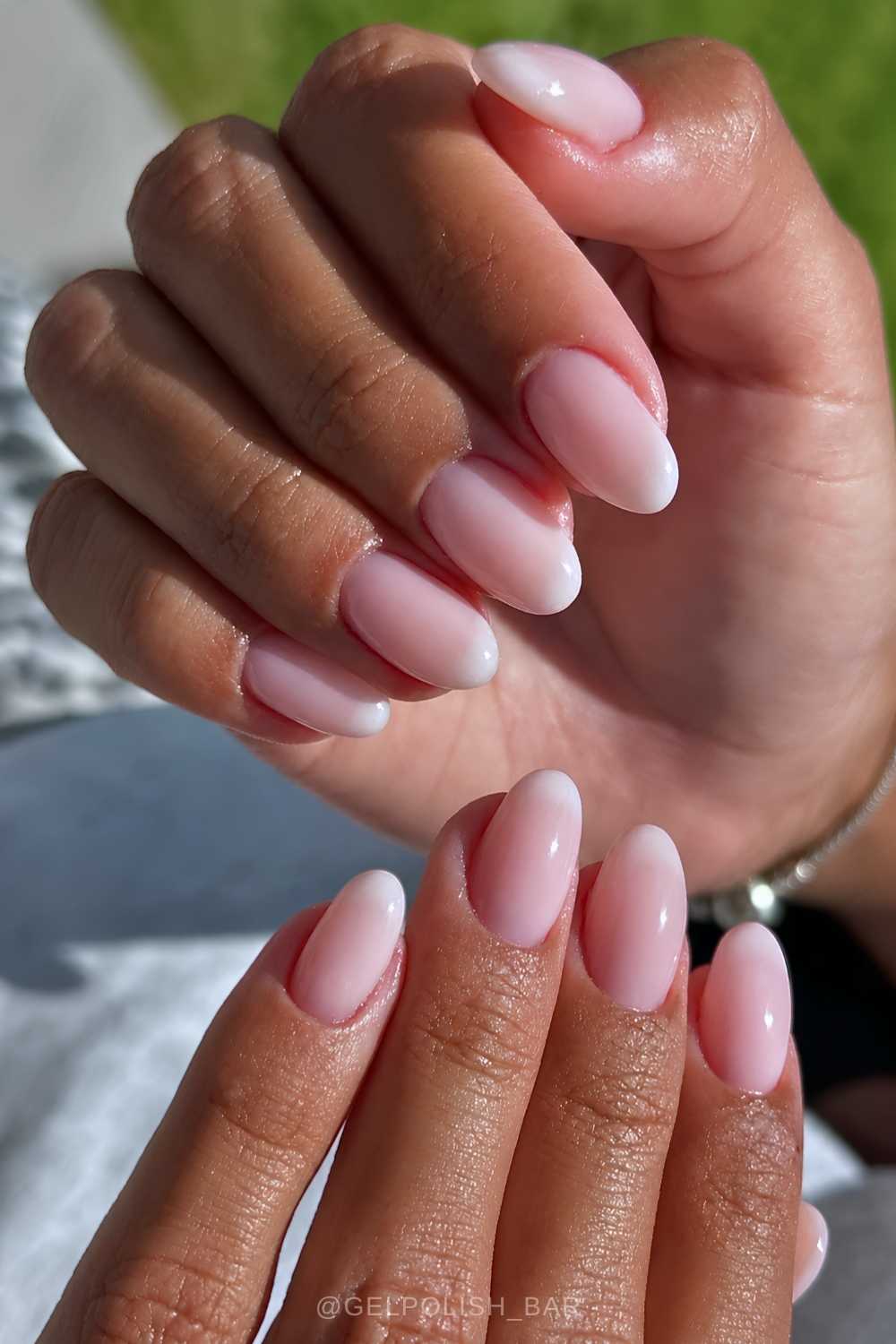
And if a neutral French tip isn't your love language, the trend has off-ramps. Swap the milky white for a sheer pastel at the tip, or float everything over a soft pink for ice-cream-coded nails.
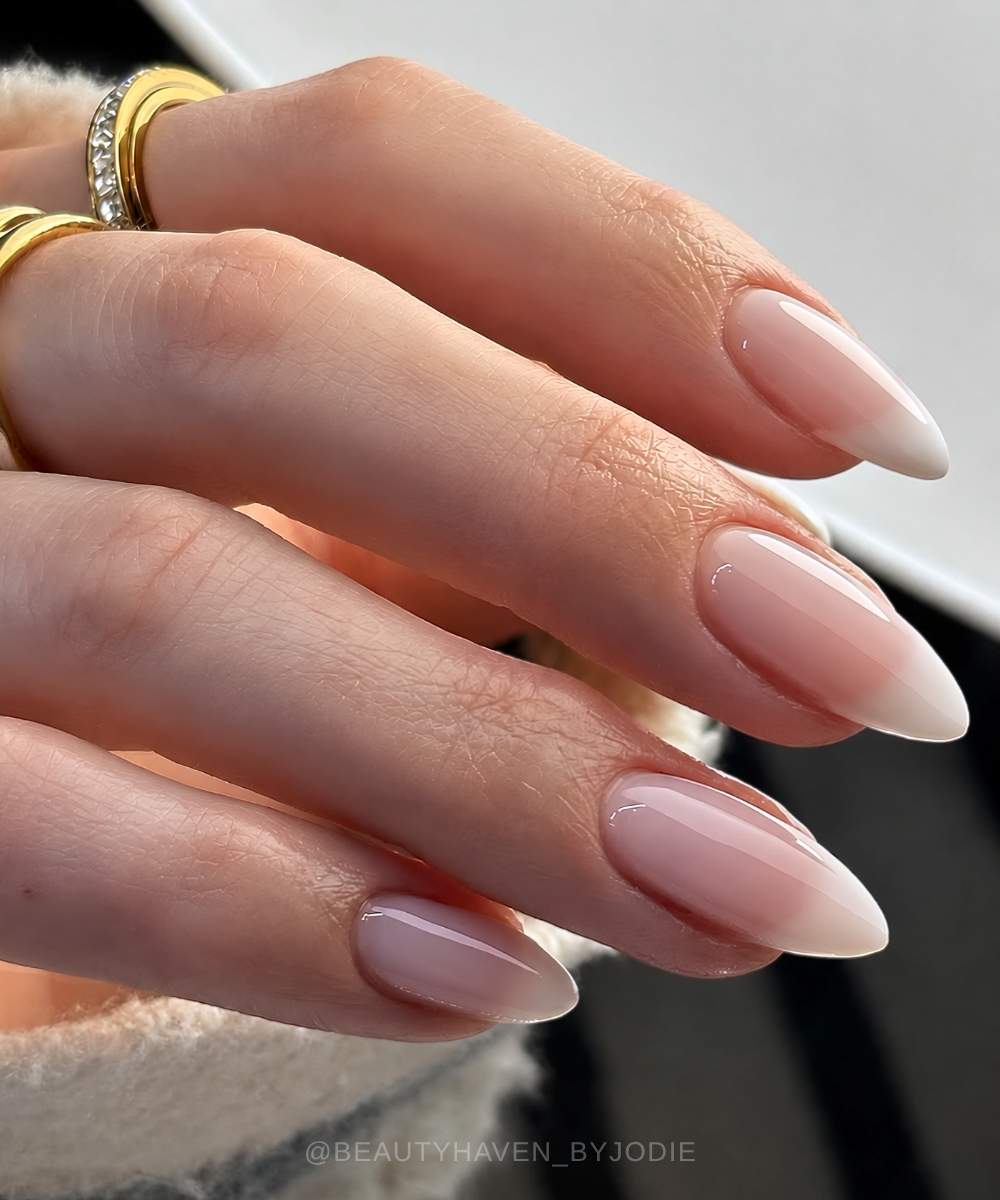
Trace a whisper of reflective shimmer or chrome along where the smile line would land for bridal, bridesmaid, or "I have plans tonight" energy. The framework holds. You're just deciding how loudly it whispers.
How it stacks up against the rest of the clean-girl French family
Every time I post about a trend like this, the comments turn into a debate. Isn't this just an American manicure? Wait, is this the blurred French? Let's settle it.
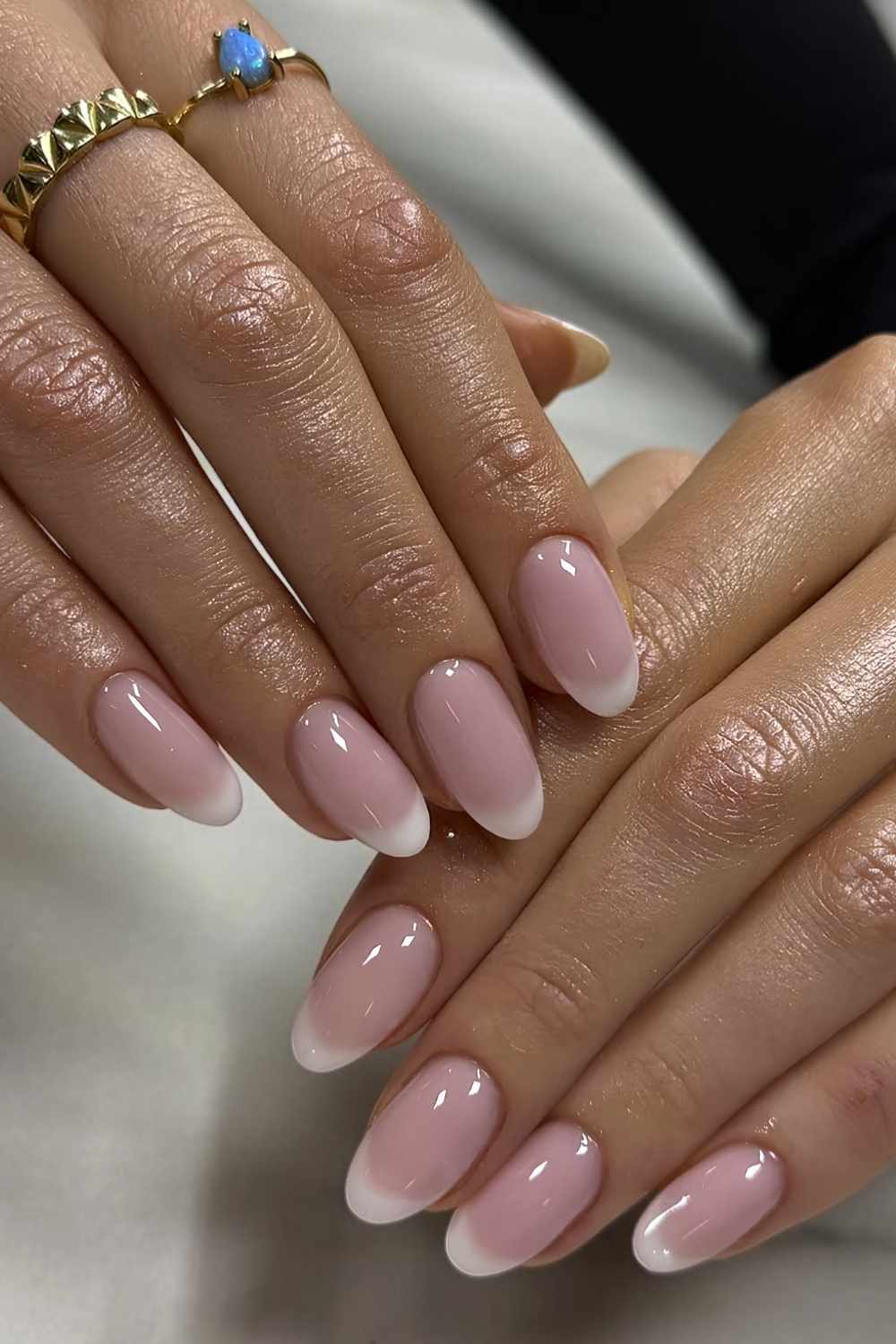
The classic white French is the original: opaque white, sharp smile line, clockable from across a dinner table. The American manicure softens that white into ivory and washes the whole nail under a sheer nude, blurring the contrast - but the tip is still very much there if you're paying attention.
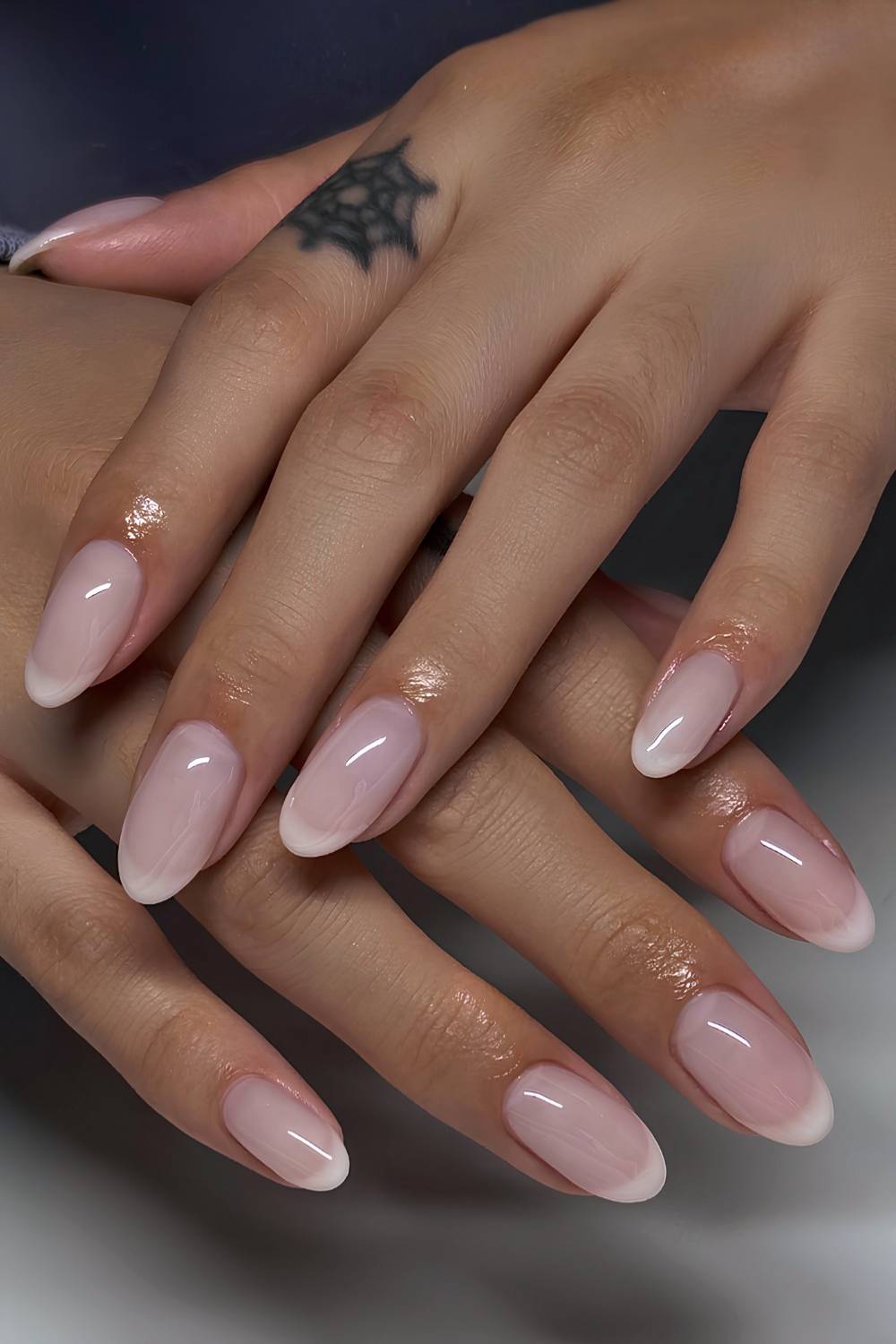
The foggy/blurry French takes it further, trading the crisp line for a cloud-soft haze that reads diffused rather than defined. Still visible. Just out of focus. The invisible French is the stealthiest of the family.
And that’s a wrap
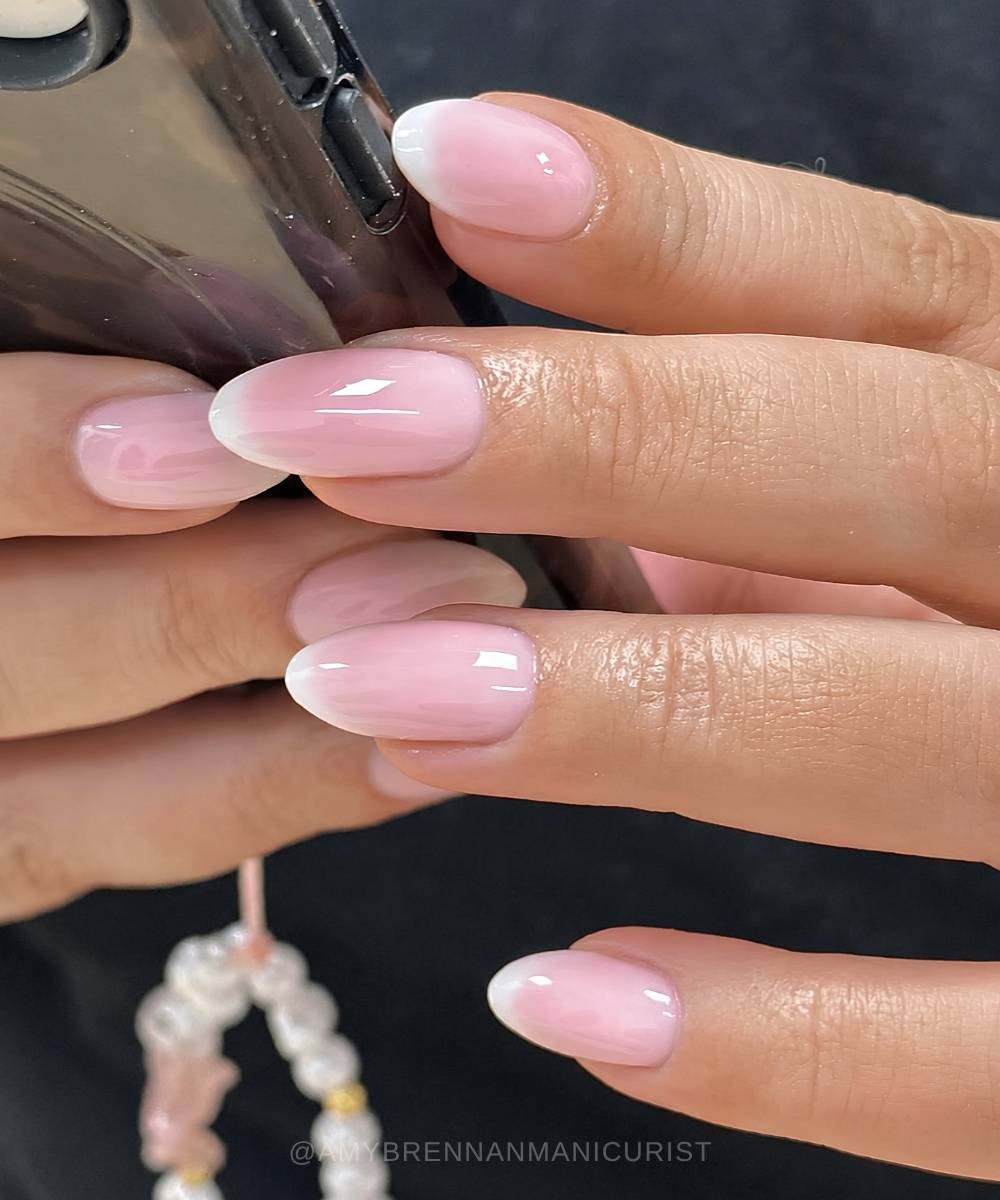
Let me know in the comments what you think - and whether you're actually going to try this version of muted French tips. And one last thing before you book your appointment: don't let the minimalism fool you. The invisible French is deceptively simple.
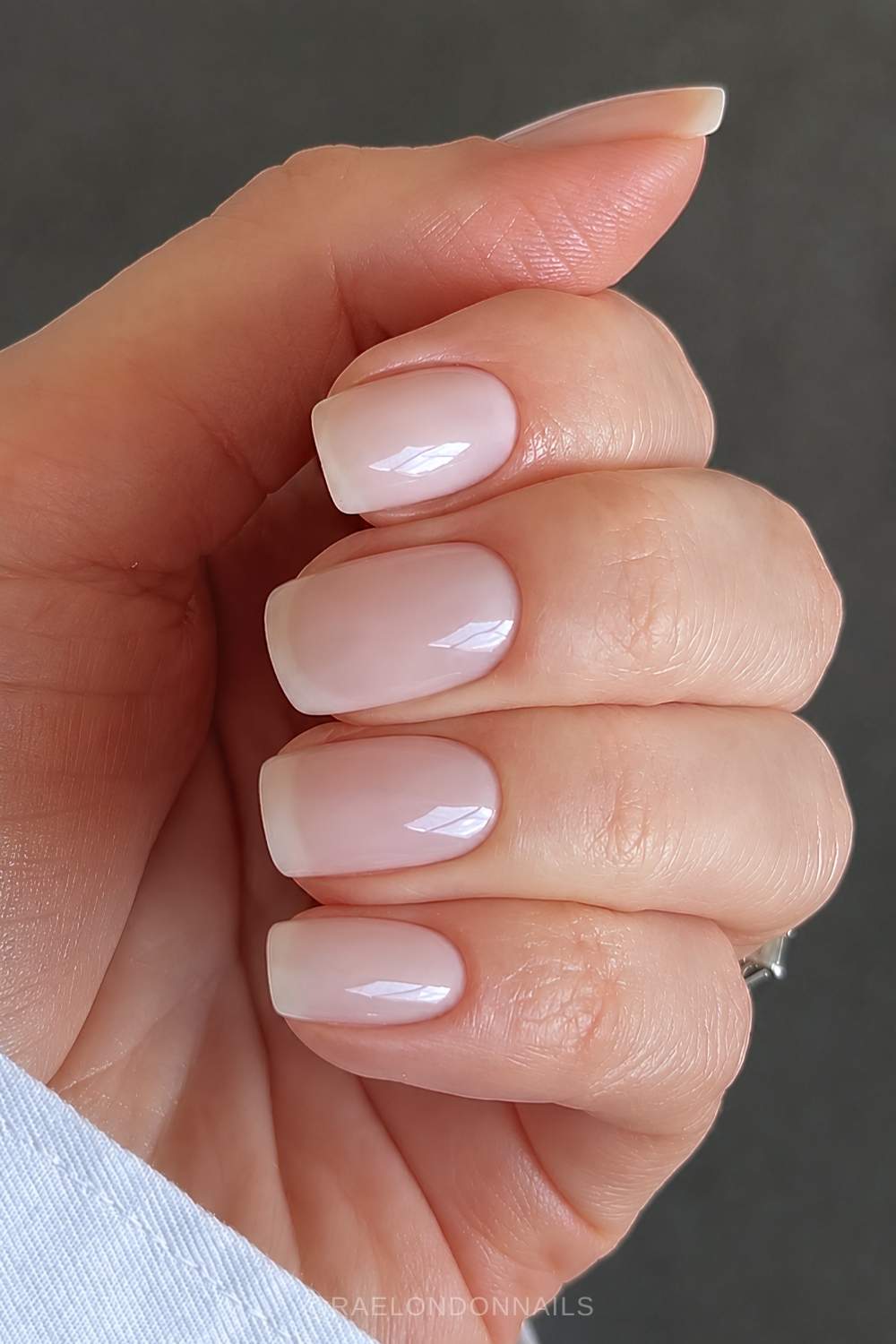
Like most of the quiet-luxury, healthy-looking, clean-girl manicures running the feed right now, the whole illusion lives in immaculate prep. Skip that part and the whole thing falls apart.