How to Do Mother's Day Nails That Actually Mean Something
Follow The Pink Issue on Google.
Mother’s Day comes with a whole built-in language - flowers with assigned meanings, gemstones with lineage logic, motifs traceable to specific decades - and almost no one taps into it. Here’s what’s actually worth doing, what translates on the nail, and what to leave behind.
The Carnation Did the Branding
Anna Jarvis launched the modern American Mother’s Day in 1908, and at that first service she handed out white carnations. For her, the white carnation stood for the purity and devotion of a mother’s love - the original symbol of the day.
The color-coding came after: white carnations became associated with mothers who have passed, while pink and red came to represent mothers still living.
So a carnation accent nail isn’t random floral filler - it’s the actual Mother’s Day flower, with built-in meaning, doing exactly what it’s supposed to do.
The Symbolic Vocabulary, Speed-Round Edition
The flowers actually worth your time - and the meanings they’re carrying - are worth calling out properly.
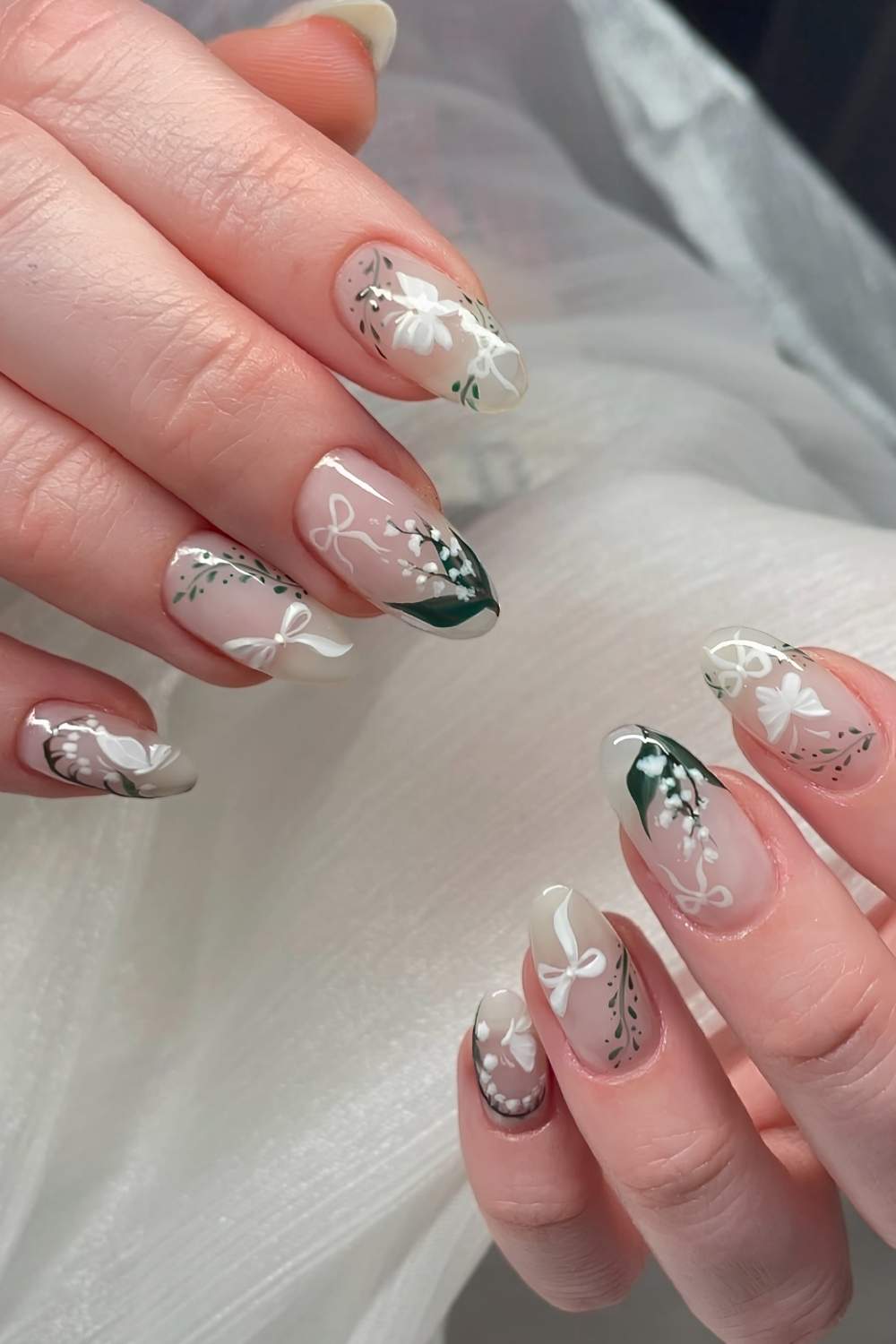
Lily of the valley is May’s birth flower and signals “return of happiness.” Peonies, May’s other birth flower, are tied to romance and motherhood across multiple cultures.
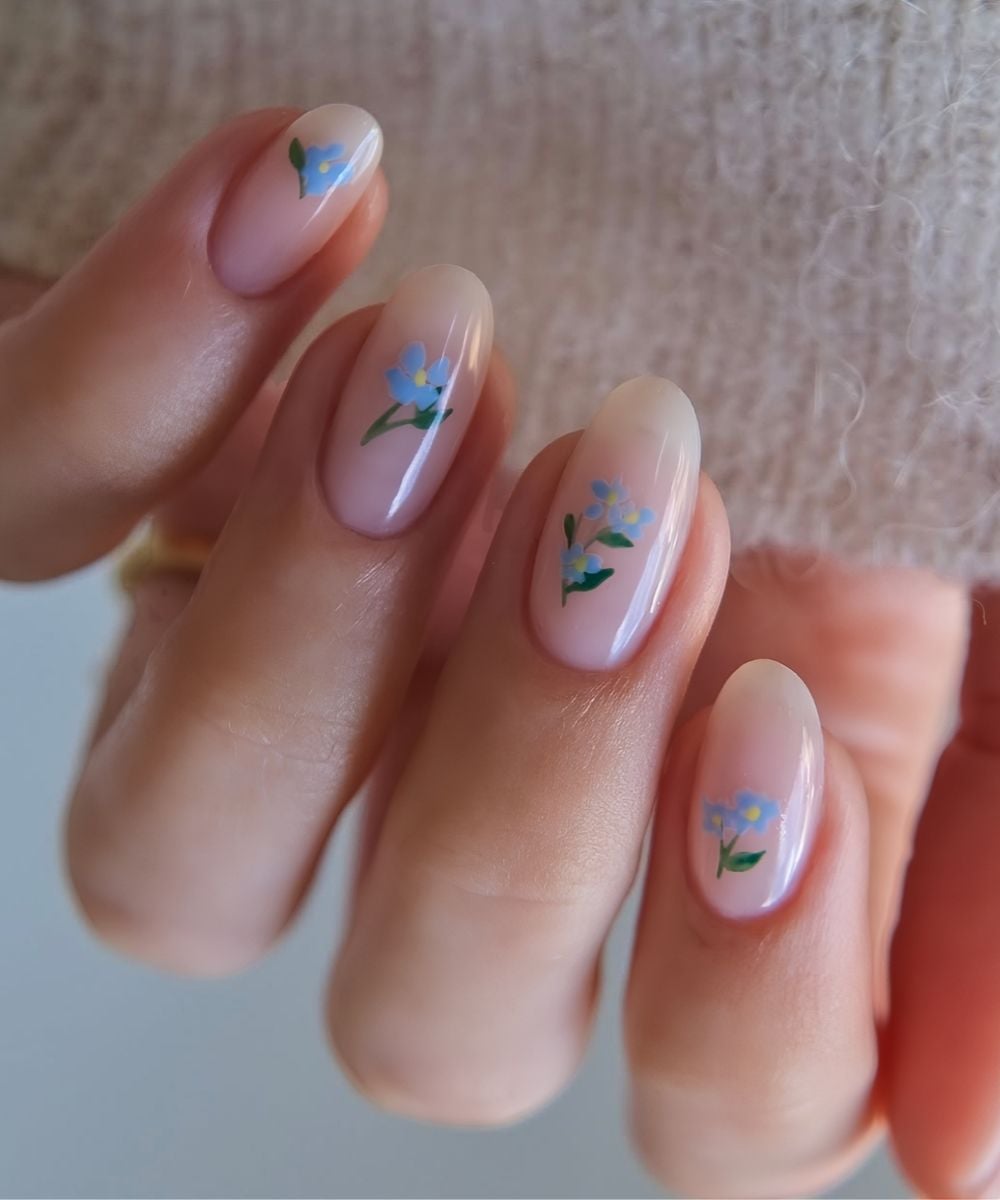
Forget-me-nots handle enduring love and remembrance (the most dramatic option on the bench).
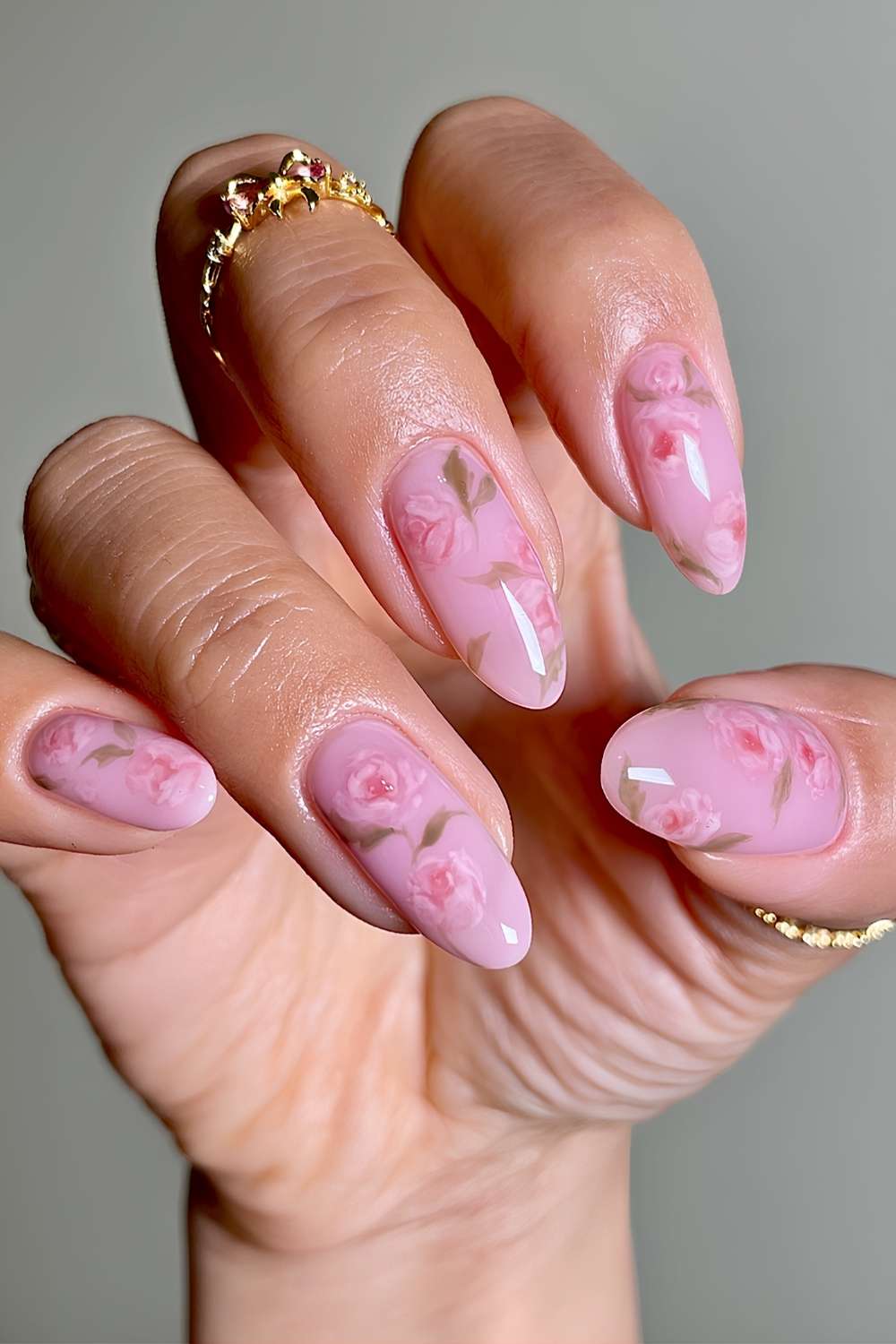
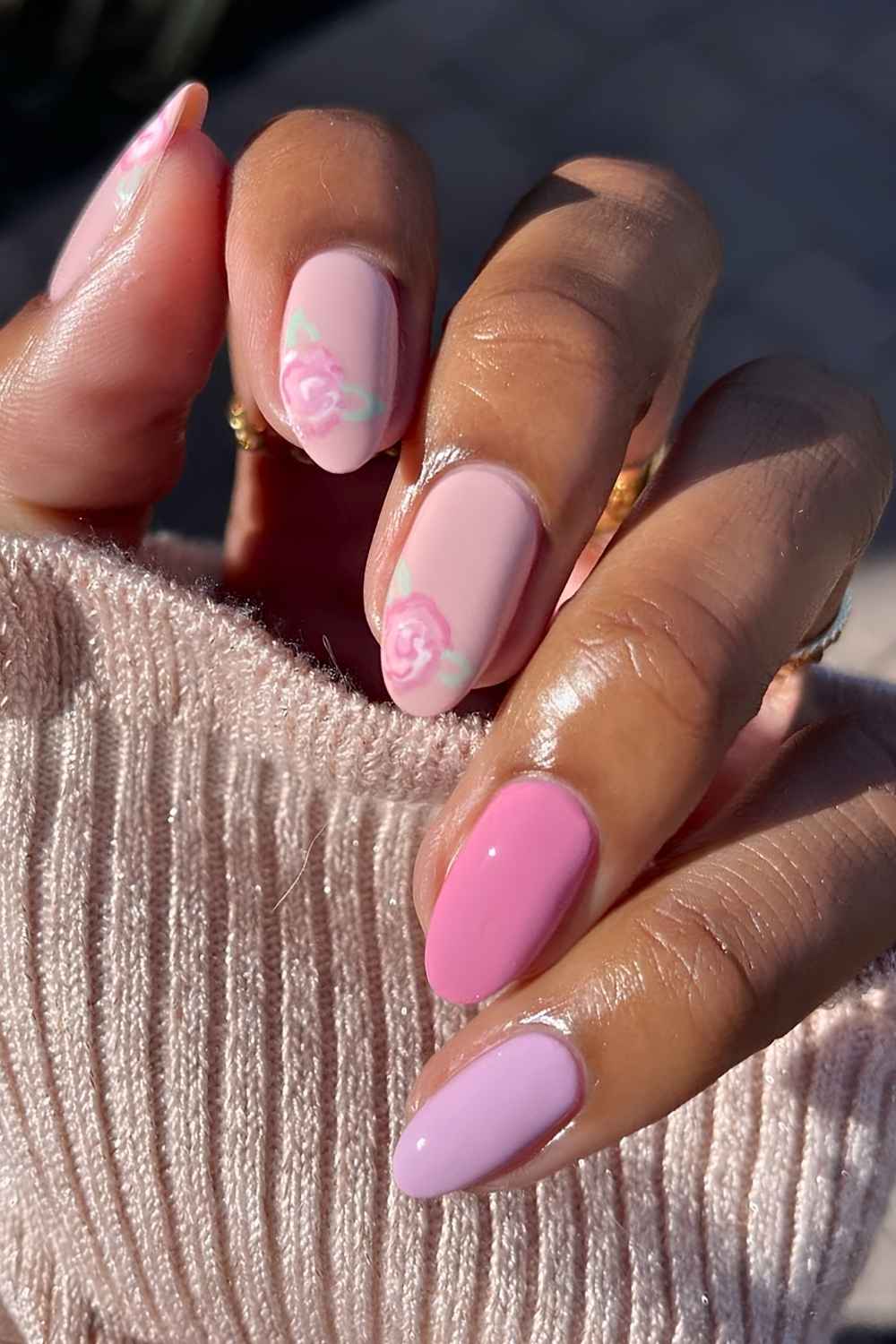
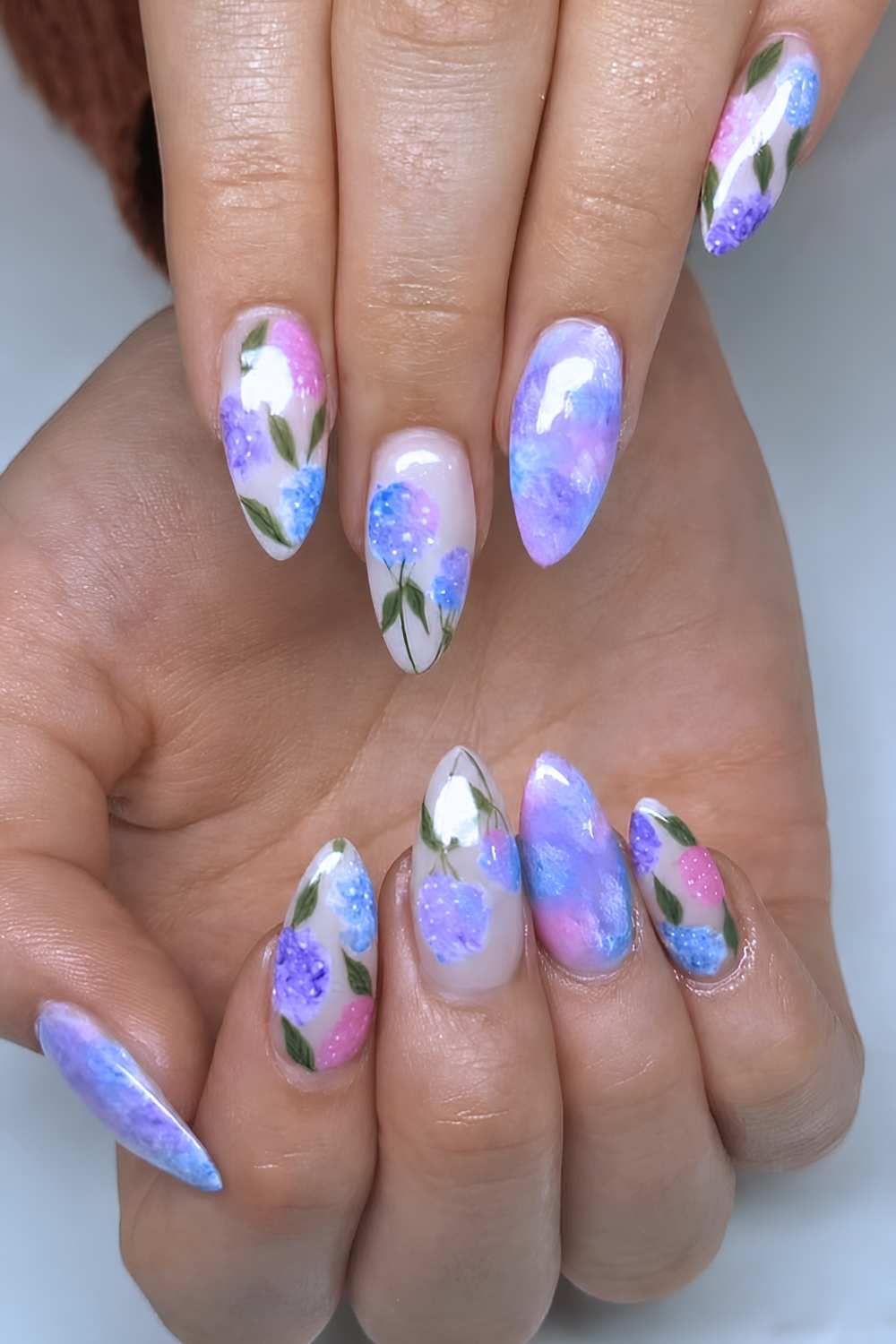
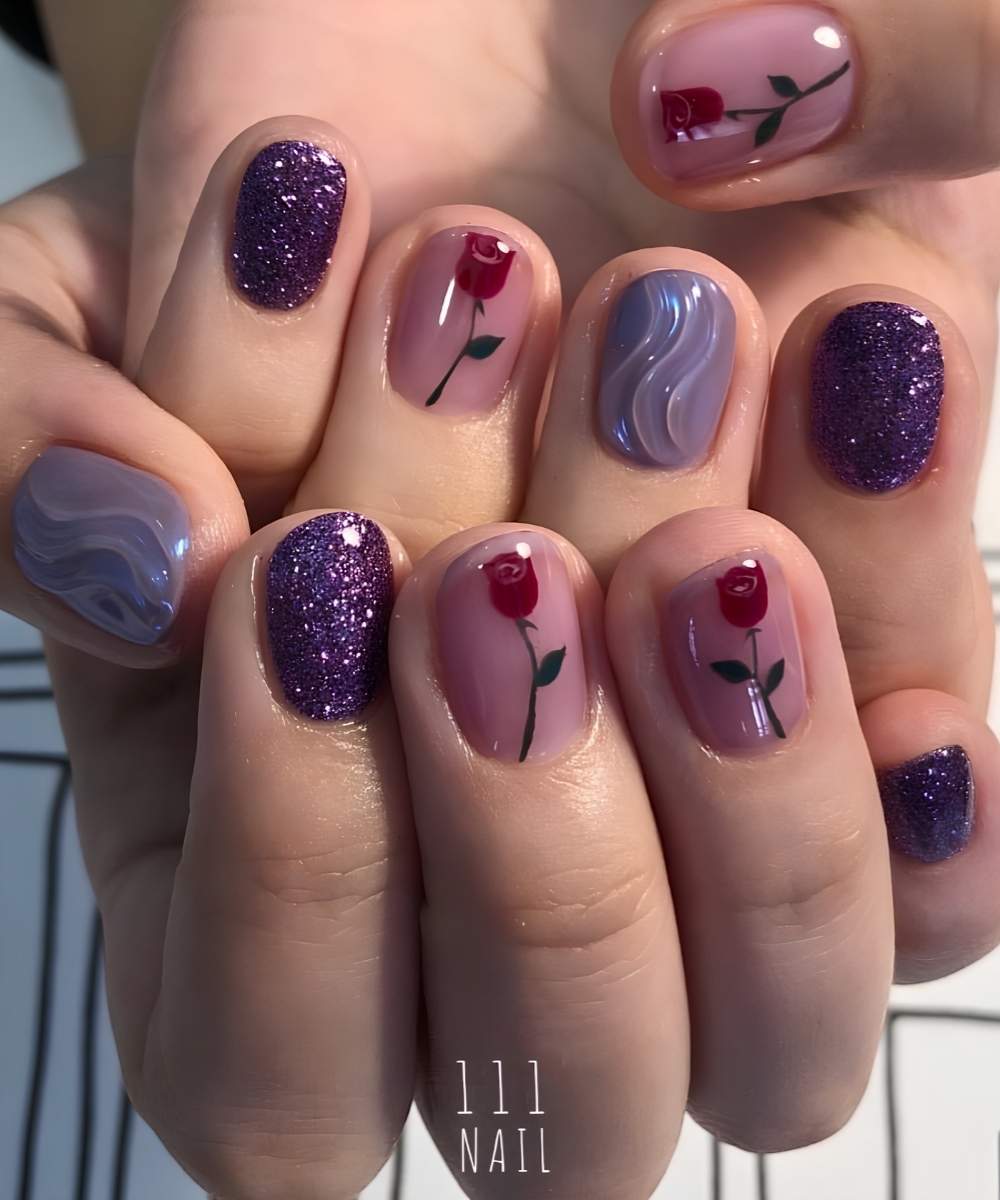
Hydrangeas cover heartfelt gratitude. Pink rose art signals admiration, and tulip accents land on perfect love.
And quick global note: in Australia, chrysanthemums are the Mother’s Day flower (because “chrysanthemum” → “mum” - branding genius, honestly.)
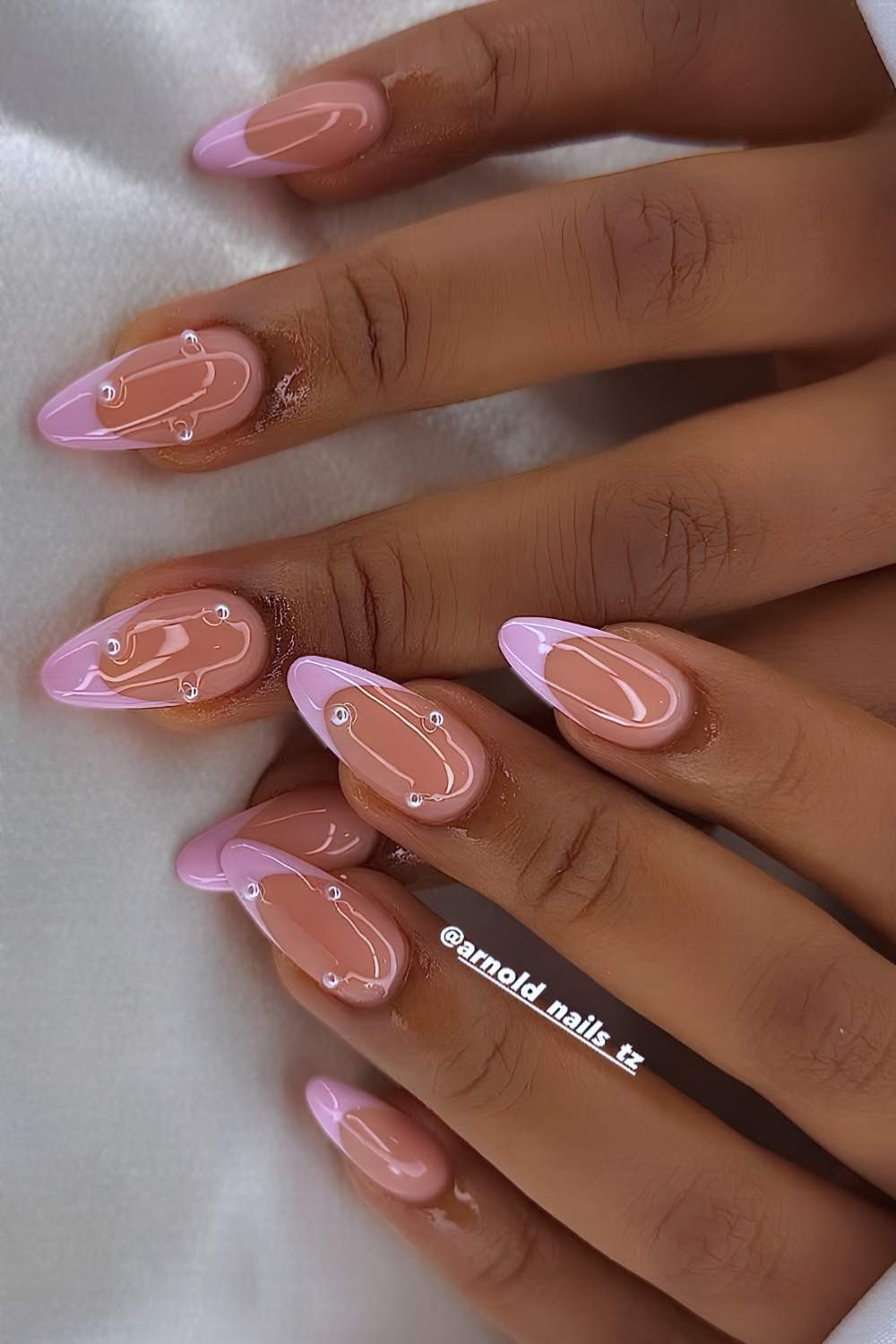
Off the floral nail art aisle is where the real fun starts. Pearls and mother-of-pearl carry the obvious linguistic and heirloom-jewelry weight.
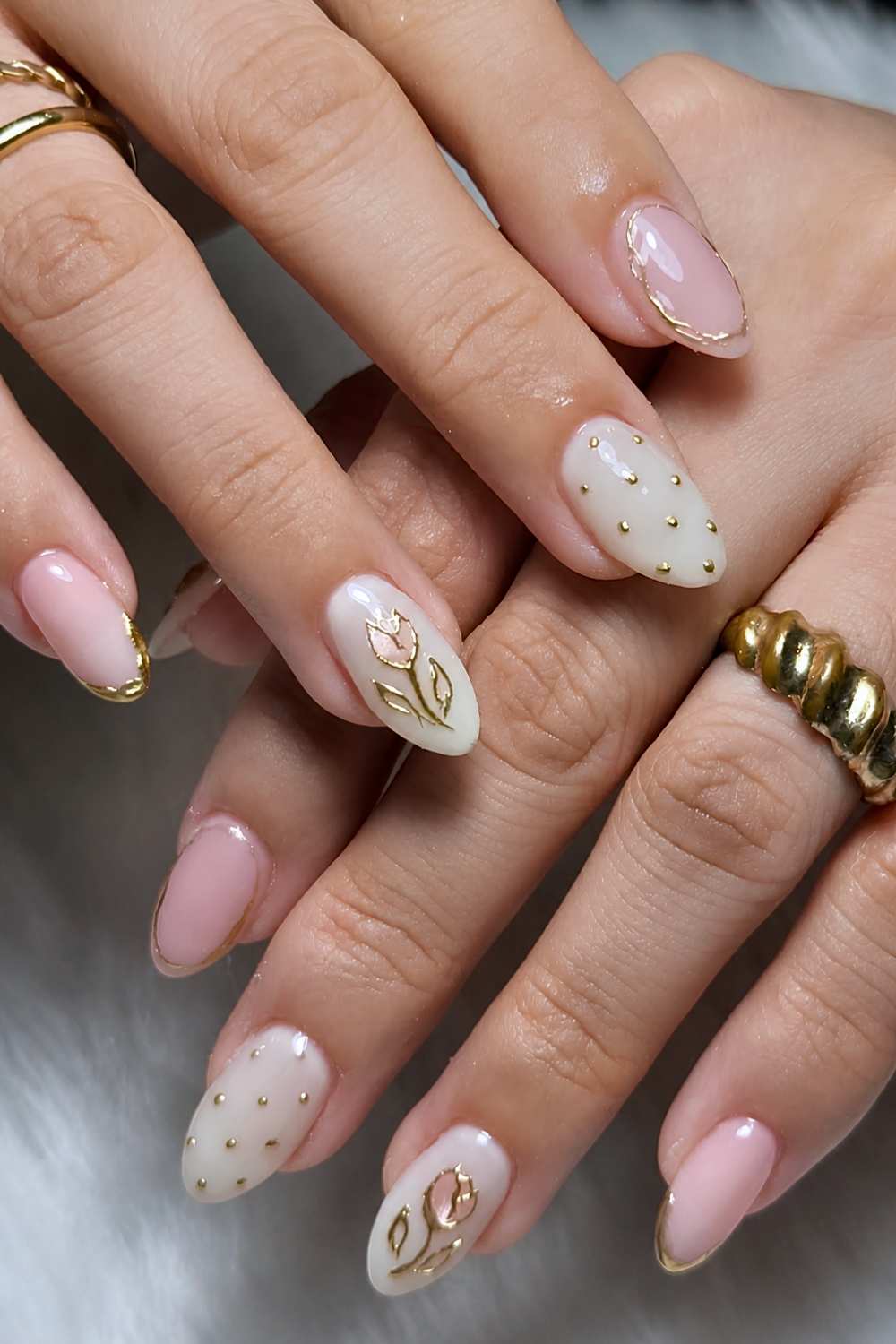
Birthstone manis do the most personal work - one nail per kid, each in their stone color, is the kind of detail that turns a manicure into a love letter.
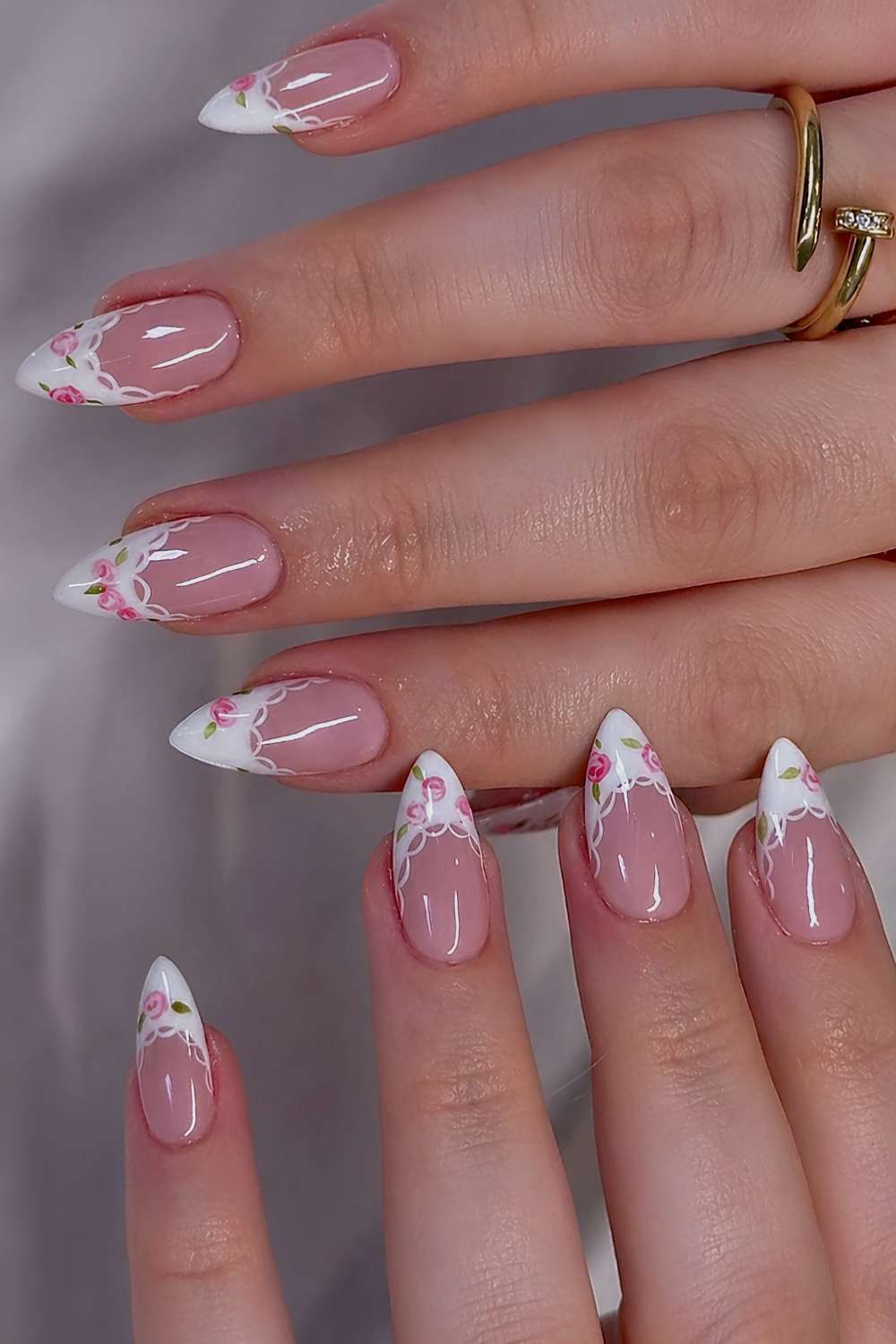
Lace details pull from doily-and-wedding-veil memory. Cameo nail art (Victorian silhouette portraits, usually cream against dusty rose or sage) was literally given as a gift to mothers in the 1800s.
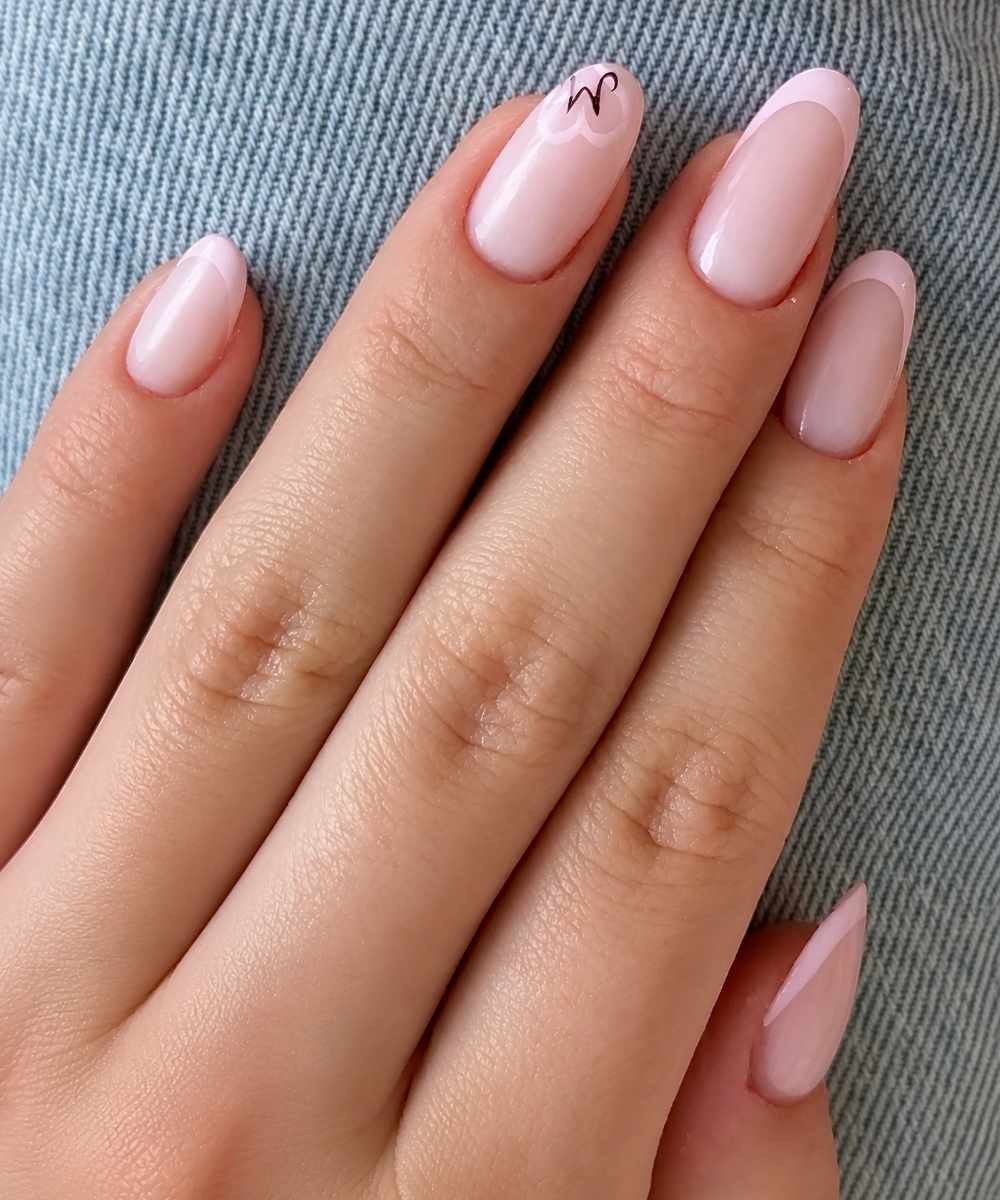
Monograms - single cursive initial, hand-painted, on a clean base - handle the "she has a name" angle. Lockets, bows, ribbons: all in.
The Color Story Is Not Just Pink
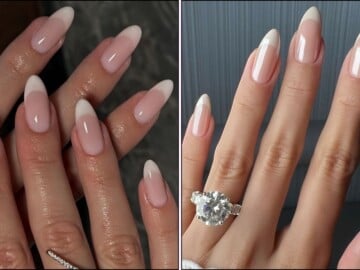
The default Mother's Day palette is pink-on-pink, and frankly, we can do better. Cream, ivory, and milky white skew are elegant. Sage and pastel greens lift florals even more.
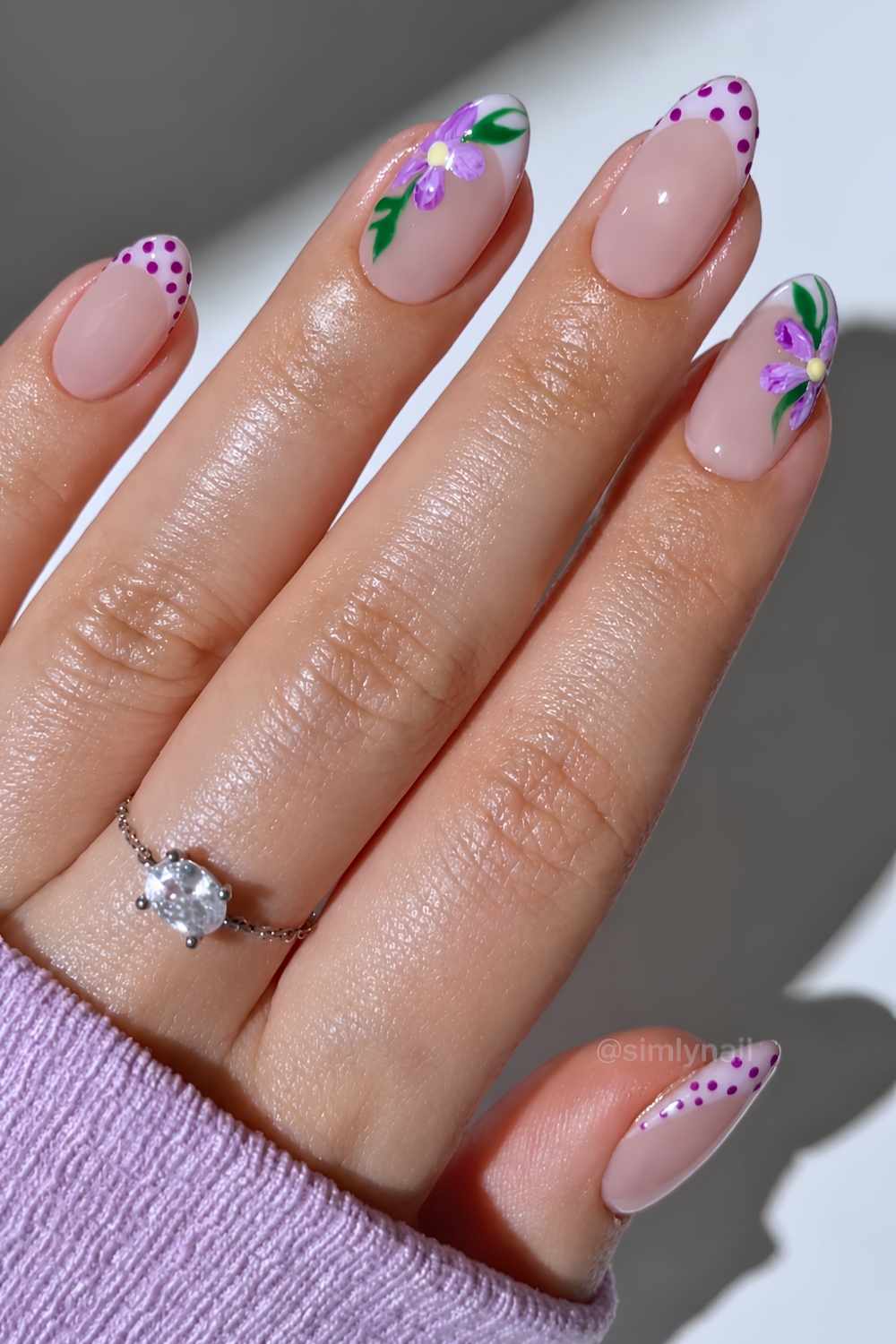
Lavender, lilac, and wisteria are May-coded specifically - these are the colors actually blooming this exact month - and weirdly underused for the holiday. Birthstone palettes are also an option.
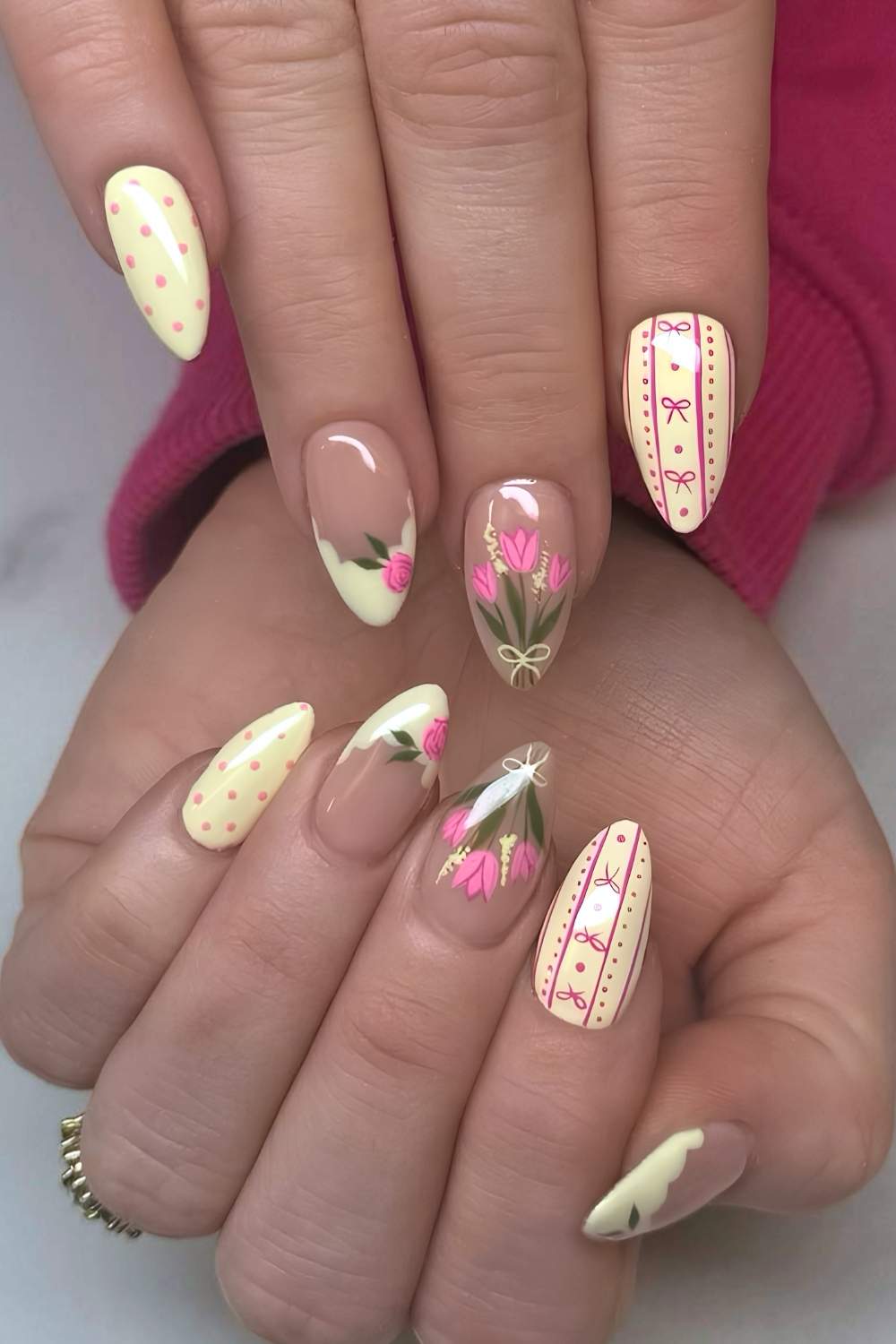
The point is: play with it. Pink is fine, it's just nowhere near the only choice for your May manicure.
Match Technique to Symbol
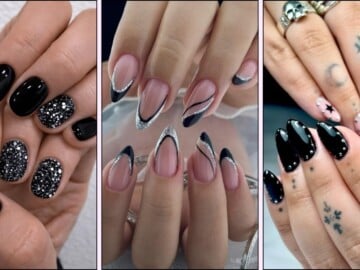
Half the battle is knowing which technique handles which symbol, so here's the cheat sheet. 3D pearl beads pressed into gel beat flat pearl decals every time. Birthstone shimmer loves magnetic cat-eye gels, not flat polish.
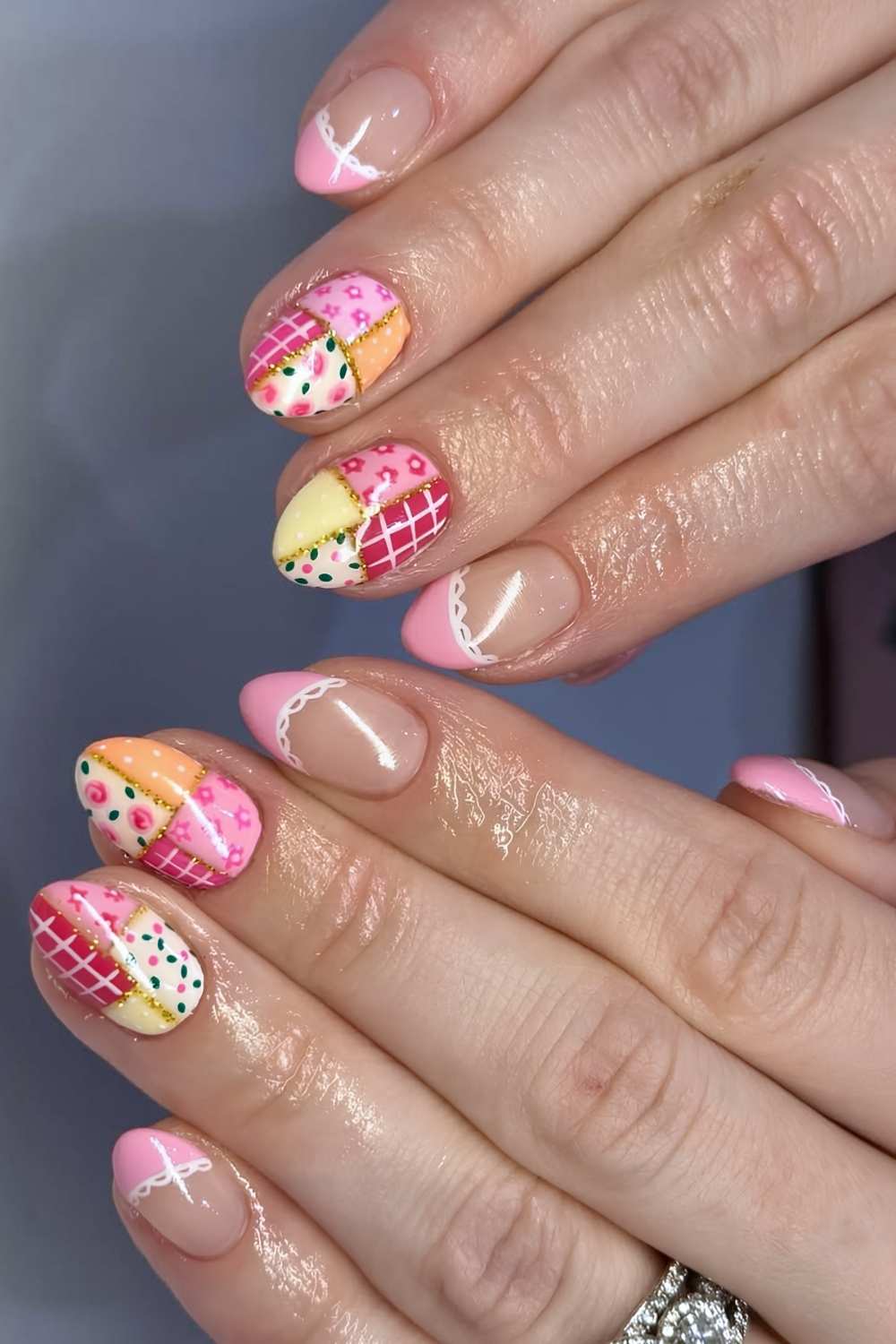
Cameos and monograms need either a steady freehand artist or a quality decal - there is no in-between. Micro florals (forget-me-nots, lily of the valley) need a 00 detail brush minimum, not a dotting tool.
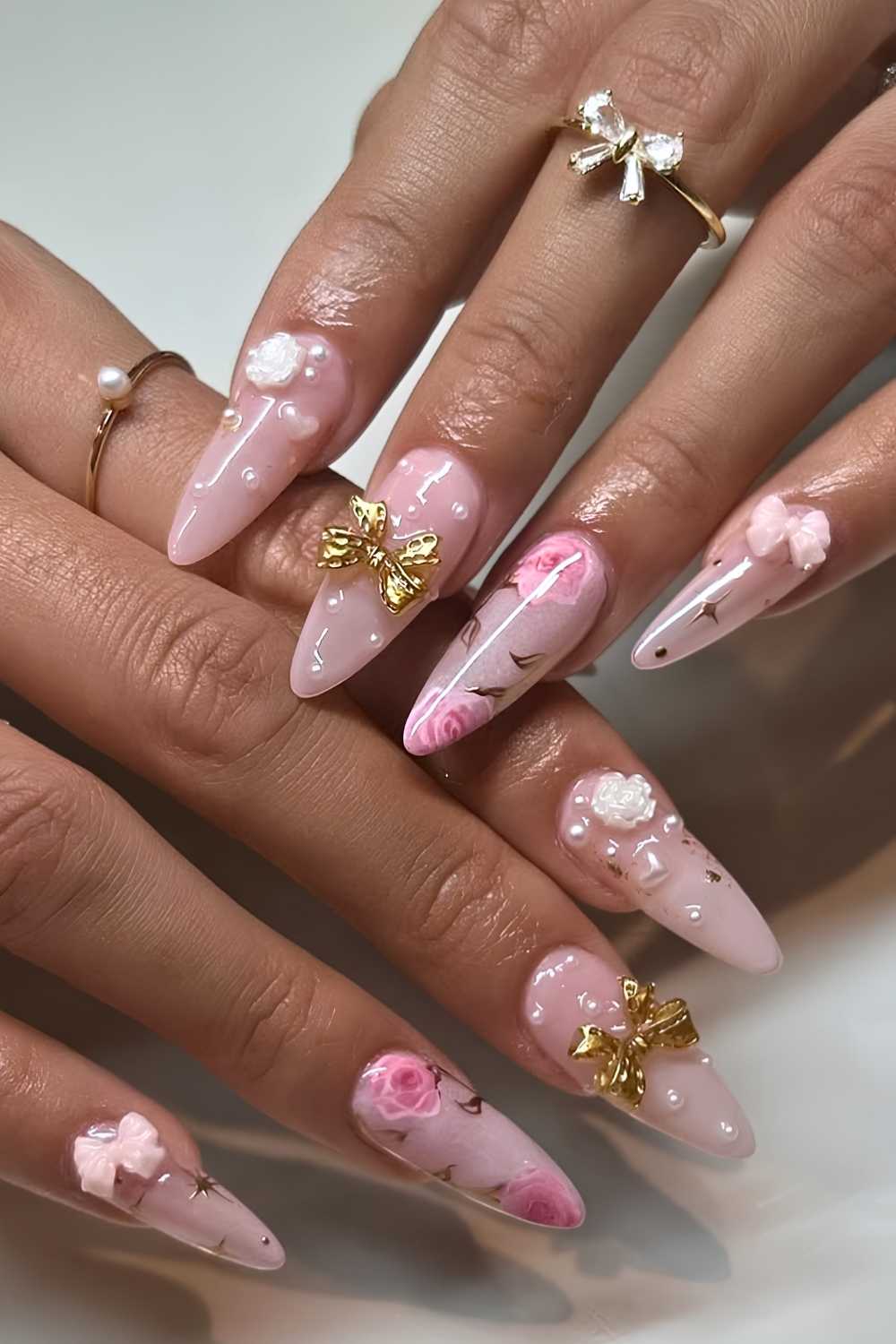
Lace stamps better than it freehands. Carnations and peonies are the forgiving DIY picks - both reward a layered one-stroke technique with a flat brush.
The Bench Is Right There
The history is sitting there. The flower meanings are sitting there. The motherhood iconography goes back centuries, and the techniques to render any of it well are not a mystery.
Pick the symbol that fits the mother, pick the technique that does the symbol justice, skip the generic daisies, and the manicure earns its place. Mother's Day nails are not difficult to do well. They're just easy to do generically.